

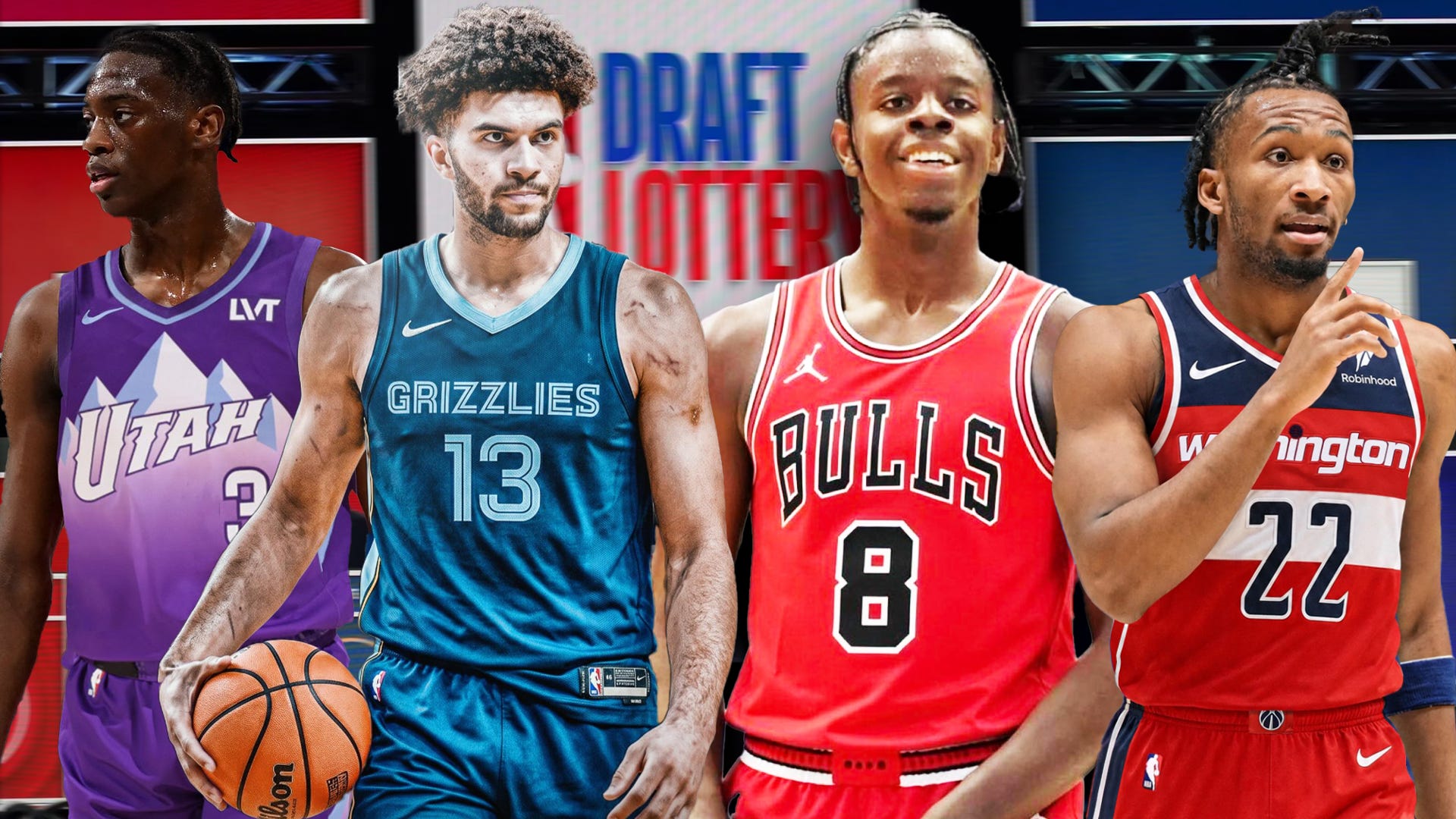
For many, Sunday is supposed to be the day of rest, either for religious purposes or savoring the last day of the weekend before the dreaded work week begins.
However, this Sunday, NBA fans were restless, anxious, and chomping at the bit as judgment day approached — the annual NBA Draft Lottery.
In a matter of minutes, teams received their placements in a draft that could, for better or worse, drastically alter their franchise’s outlook for the next decade.
This year’s Lottery featured every outcome you can think of: Dreams were crushed for tanking teams, while others benefitted one last time before an overcorrecting rule change, some poor trade process was punished, and a few of the league’s mediocre teams were rewarded for playing the middle.
When it was all said and done, this was how the Lottery shook out, and now that we know the order, it is time for my first mock draft of the cycle.

DISCLAIMER: This mock is based on what I would do. It is not a prediction. The mock is based on my personal rankings of prospects + my evaluation of a team’s needs.
1. Washington Wizards - Cameron Boozer
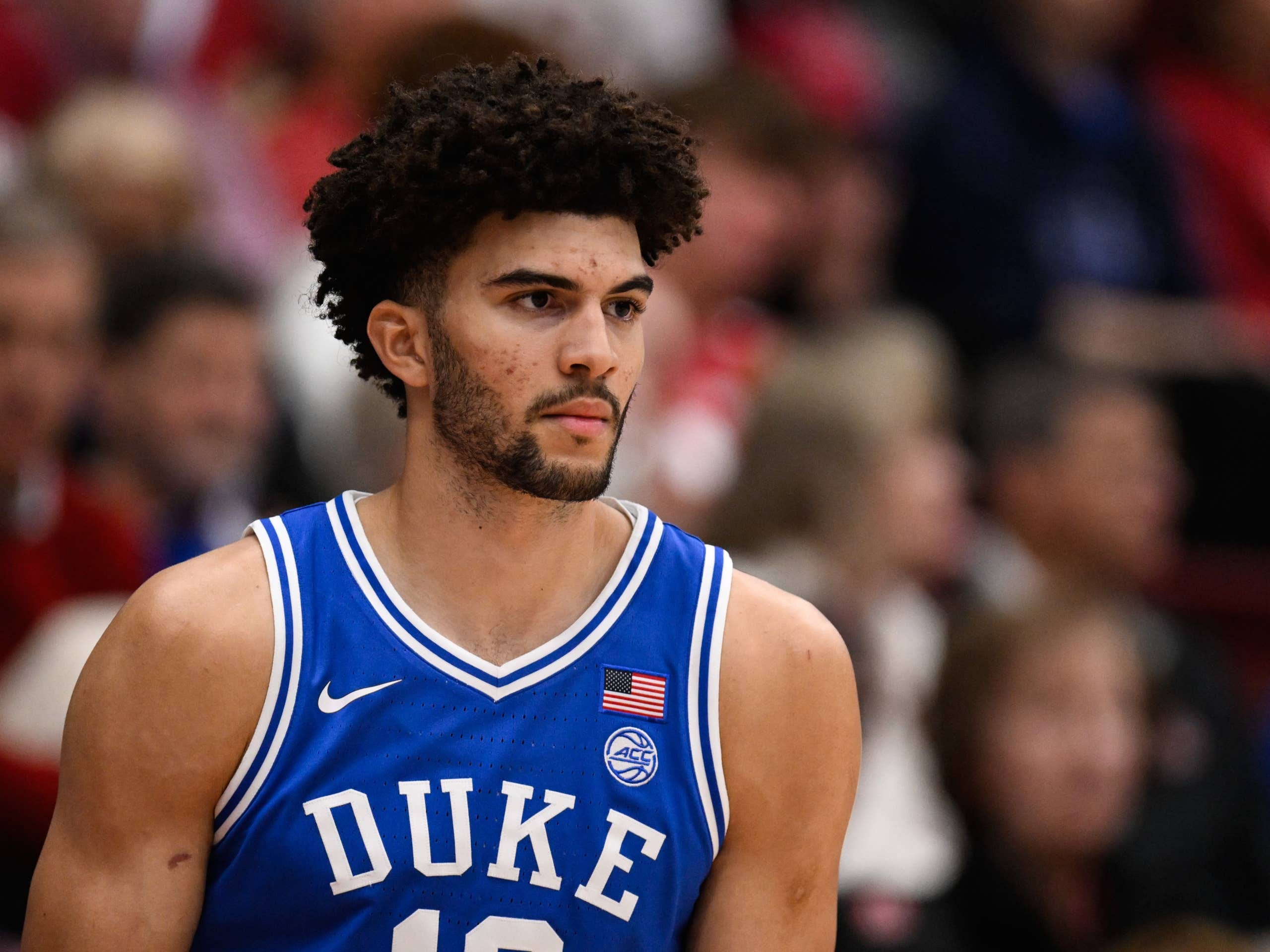
School: Duke
Class: Freshman
Position: Forward
Height: 6’8.25
Weight: 252.8 LBS
Wingspan: 7’1.5
Drat Day Age: 18.9
The Wizards have routinely been at the bottom of the standings this decade and have finally been awarded the first overall pick after striking out on two other occasions where they had the worst record. Though well before the ping pong balls fell in place, Washington’s General manager, Will Dawkins, made buy-low moves to bring in Trae Young and Anthony Davis to add some proven talent to their horde of young players.
Even with the additions of Young and Davis, the nation’s capital has starved for a blue-chip talent and should be drafting the best player available. In my estimation, that is Cameron Boozer (more on why he’s ranked #1 below).

Boozer is a versatile offensive piece who is proficient in every play type, displayed scalability and role malleability, and has the most impact on winning of any player in the class. He’ll be able to be the roller/popper in ball screen actions with Young, be the ball handler in 4/5 ball screens with Alex Sarr and Davis (if they keep him), and weaponize Kyshawn George and Tre Johnson as off-ball shooters/scorers. He has his weaknesses, especially defensively, but Sarr could theoretically mask some of his flaws on that end while Boozer covers for his on the other.
2. Utah Jazz - AJ Dybantsa
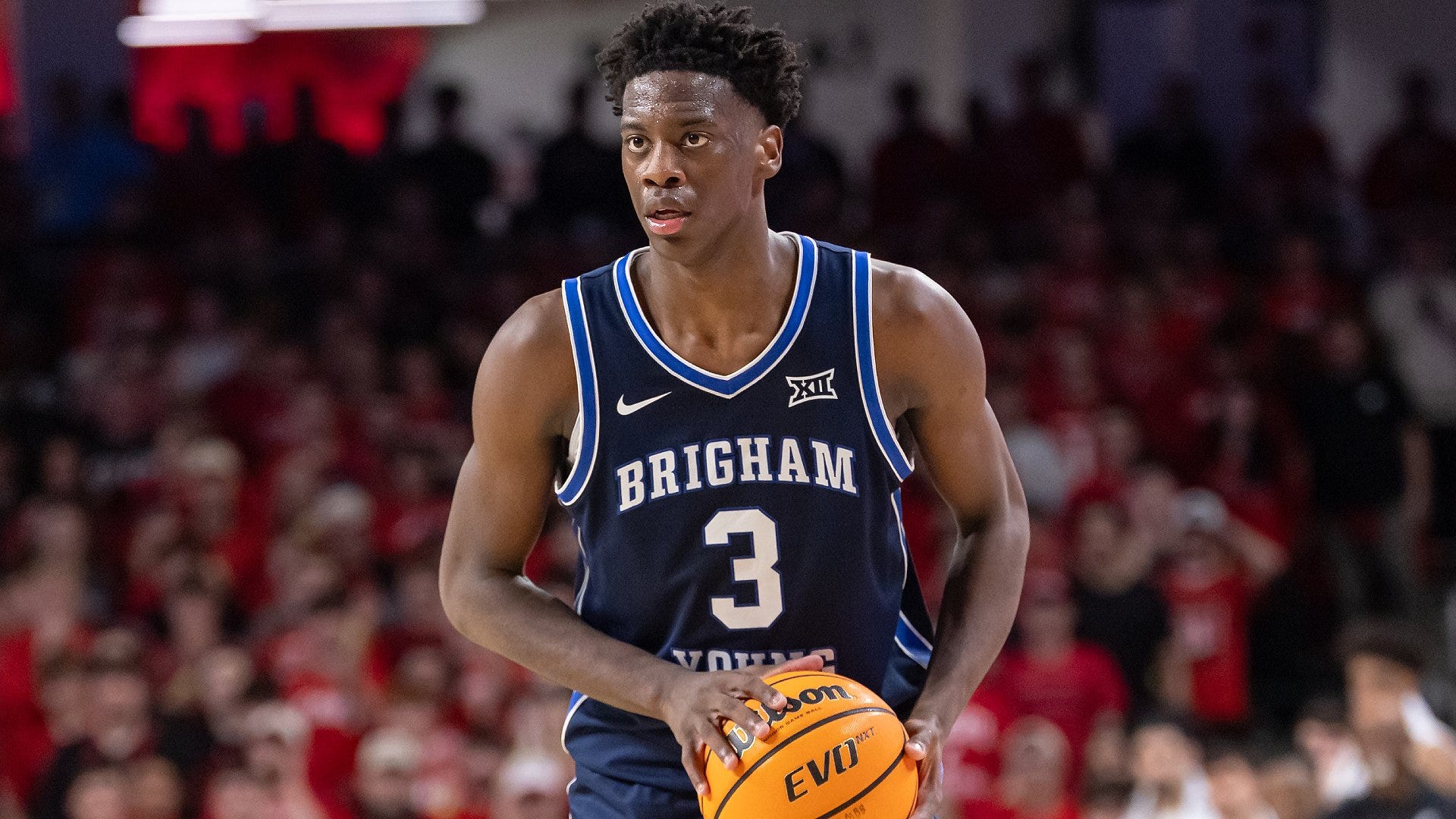
School: BYU
Class: Freshman
Position: Wing
Height: 6’8.5
Weight: 217 LBS
Wingspan: 7’0.25
Draft Day Age: 19.4
The writing has been on the wall for Dybantsa to be a member of the Utah Jazz since he transferred to Utah Prep two seasons ago, and then became one of the highest-paid players in the NIL era and enrolled at BYU. But I’m not placing him here because of that connection; he’s being drafted here because I think he fits a need for the Jazz, and they have the infrastructure to alleviate some of his weaknesses.
Dybantsa is one of the best-scoring prospects that I’ve ever watched. For my money, the best-scoring wing since Kevin Durant was drafted in 2007. He’s an incredible two-point scorer, with unorthodox, unpredictable movement patterns and a relentless aggression, making him a nightmare to guard — especially without fouling.
However, as you look deeper into his profile, it becomes a bit murkier. The three-point shot mechanics, volume, and effiency need refining, and he was inconsistent as a passer, decision maker, and defender.
Luckily, the Jazz have a big man duo of Walker Kessler and Jaren Jackson Jr., who could set a high floor for the defense and immediately make Utah one of the best interior defenses in the sport, and two players, Keyonte George and Lauri Markkanen, who historically get up a ton of threes.
The genius of Will Hardy has made Utah one of the more effective off-ball offenses in the league, but they need a premier half-court creator to slot next to George. At the two, Dybantsa’s length and athleticism would be more valuable defensively, and he’d immediately be a plus physical rebounder.
With Dybantsa in Utah, Ryan Smith’s money will be well spent.
3. Memphis Grizzlies - Caleb Wilson
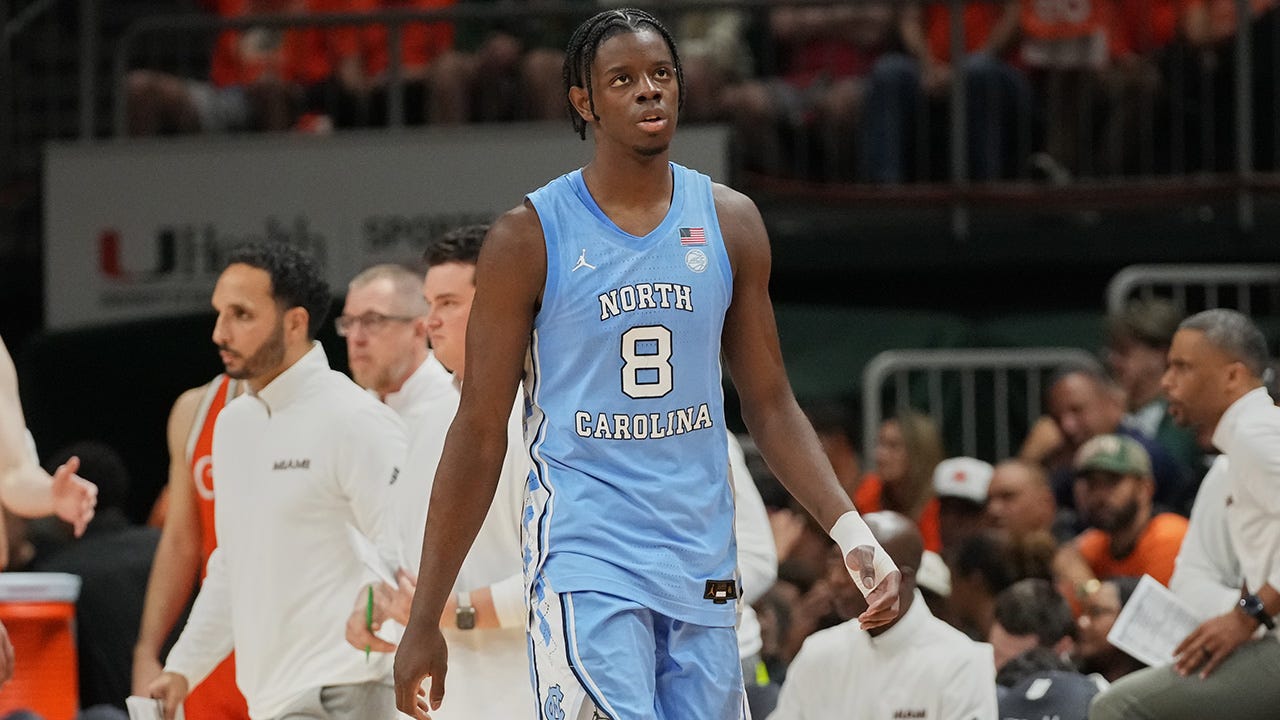
School: North Carolina
Class: Freshman
Position: Forward
Height: 6’9.25
Weight: 210.8 LBS
Wingspan: 7’0.25
Draft Day Age: 19.9
Four years ago, the Grizzlies were doing dances in the hallways before playoff games and were the hot, up-and-coming team in the West. Now, Desmond Bane is in Orlando, triple J is in Utah, and Ja Morant has spent more time in street clothes than in uniform over the last three seasons.
The 2020s version of the Grit and Grind era is over, and whatever’s next starts with the selection of Caleb Wilson third overall.
The Grizzlies' identity this season was to move the ball, get out in transition, force turnovers, and shoot a ton of threes. Whether they move Morant or not, Wilson, who I view as a top-four player in the class, addresses a major need for quality two-point scoring and rebounding while fitting the team's identity.
Wilson provides a baseline of athleticism, play-finishing, passing, defensive playmaking, and rebounding, but if he can improve his ball-handling and/or perimeter jumpshot, his two-way potential is sky-high. If healthy, he should solidify their front with Cedric Coward and Zach Edey.
4. Chicago Bulls - Darryn Peterson
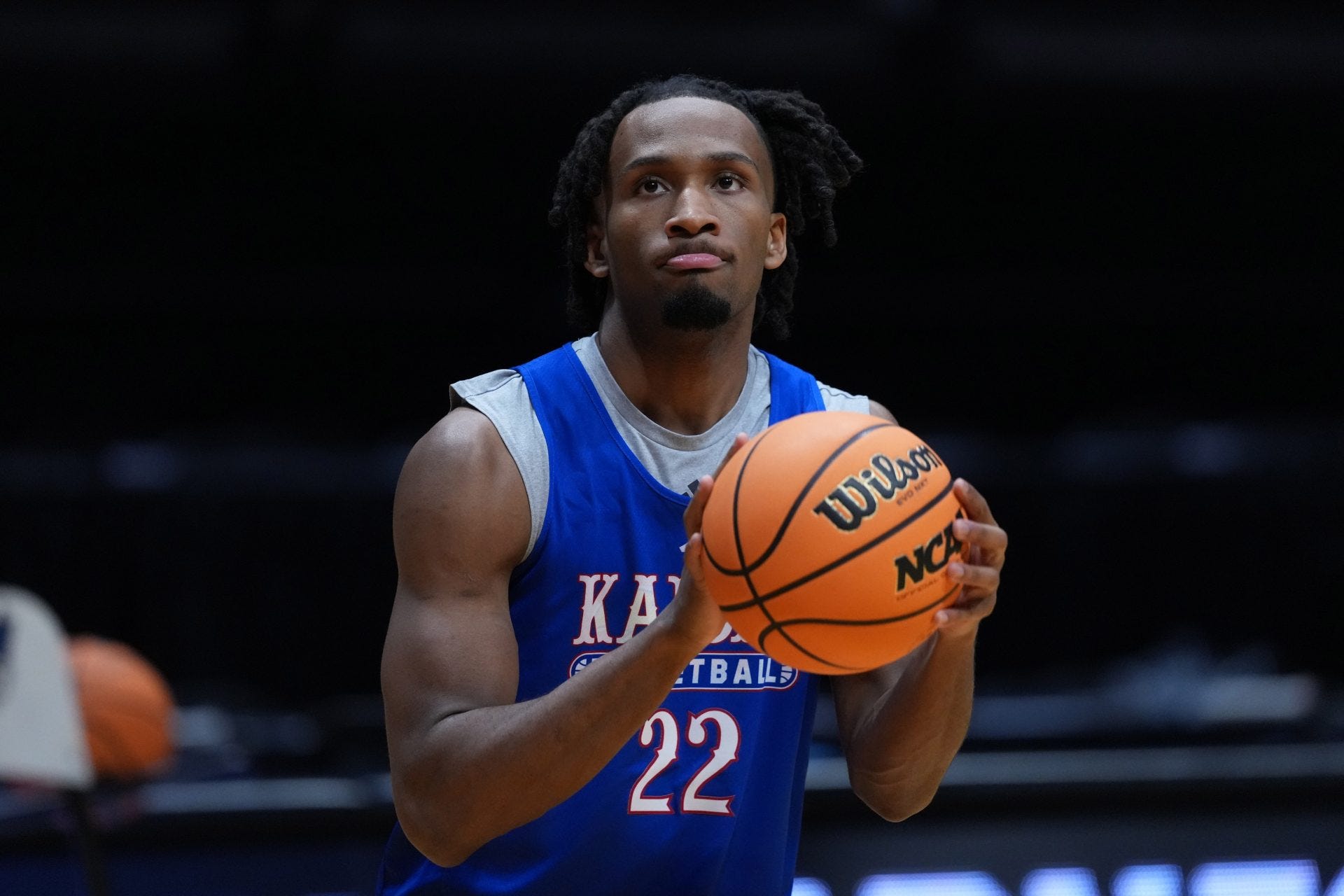
School: Kansas
Class: Freshman
Position: Guard
Height: 6’4.5
Weight: 198.8 LBS
Wingspan: 6’9.75
Draft Day Age: 19.4
After years of refusing to commit to a rebuild fully, the Bulls hit the reset button, trading away all their veteran pieces and firing Vice President of Basketball Operations Arturas Karnisovas and GM Mark Eversley after six seasons of mediocrity.
Their new Vice President of Basketball Operations, Bryson Graham, has publicly stated that Chicago is in a rebuild and will be acquiring talent with his Size, Length, Athleticism, and Physicality (SLAP) philosophy in mind.
When healthy, Darryn Peterson, who is 6’5 with a 6’10 wingspan at minimum, embodies three of the pillars of SLAP, while adding much-needed shooting and scoring talent to a roster barren of young talent.
Peterson would be an ideal pairing next to Josh Giddey in the backcourt (at least temporarily), allowing Giddey to handle most of the playmaking duties. At the same time, he focuses more on off-ball actions and perimeter defense. A quartet of Giddey, Peterson, Matas, Buzelis, and Noa Essengue would give Chicago some of the most positional length in the league and continue its fast-paced, ball-movement, transition, and high three-point rate style of offense.
5. Los Angeles Clippers - Aday Mara
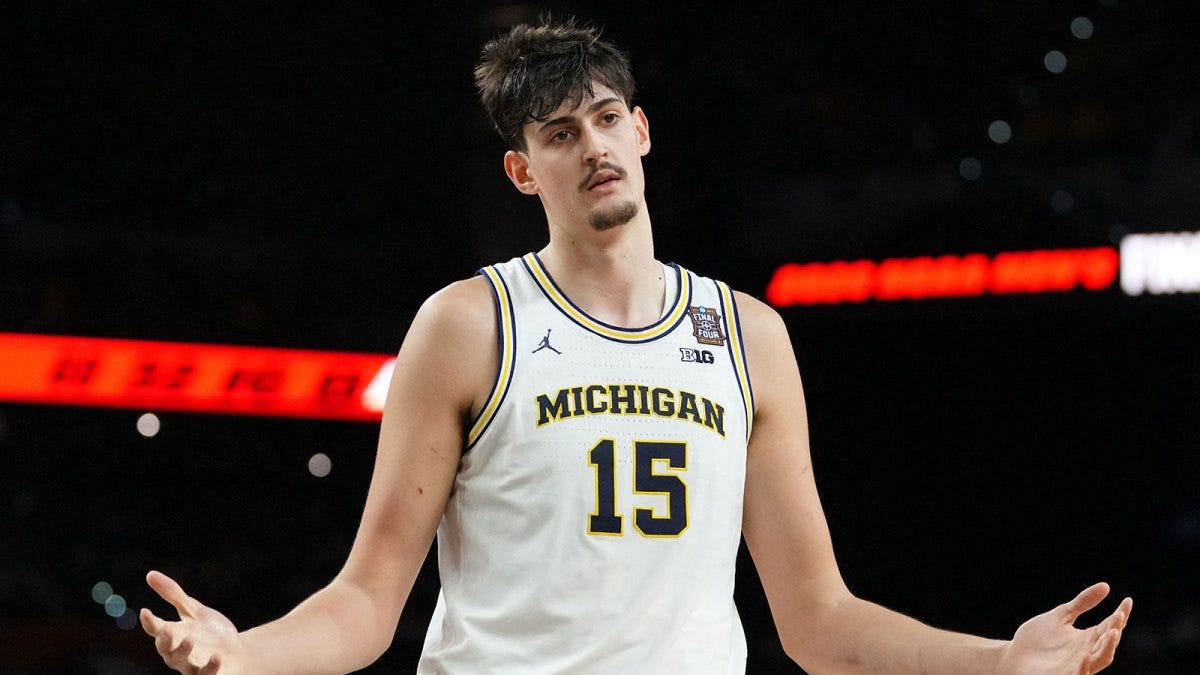
School: Michigan
Class: Junior
Position: Center
Height: 7’3
Weight: 259.8 LBS
Wingspan: 7’6
Draft Day Age: 21.2
The Clippers were easily one of the biggest winners of the Lottery after the Pacers’ pick fell out of the top four, and now find themselves in a position to add young talent and fully commit to a retool/rebuild around Darius Garland after the Kawhi Leonard-Paul George era proved to be a failure. I am a proponent of trading back with teams like Charlotte, Dallas, or OKC to acquire more assets for the future, but if they don't trade down, they can select Mara at five, which should help them in the short-and long-term.
Mara is the best rim protector in the class, who improved his touch inside the arc this season while continuing to flash excellent passing and feel for the game. These 7-foot, rim-protecting bigs that are quality screeners, rollers, rebounders, and rim protectors have been a few of the best players in their draft classes recently, and Mara could continue that trend immediately. He addresses a clear need for the Clippers after trading Zubac at the deadline.
6. Brooklyn Nets - Mikel Brown
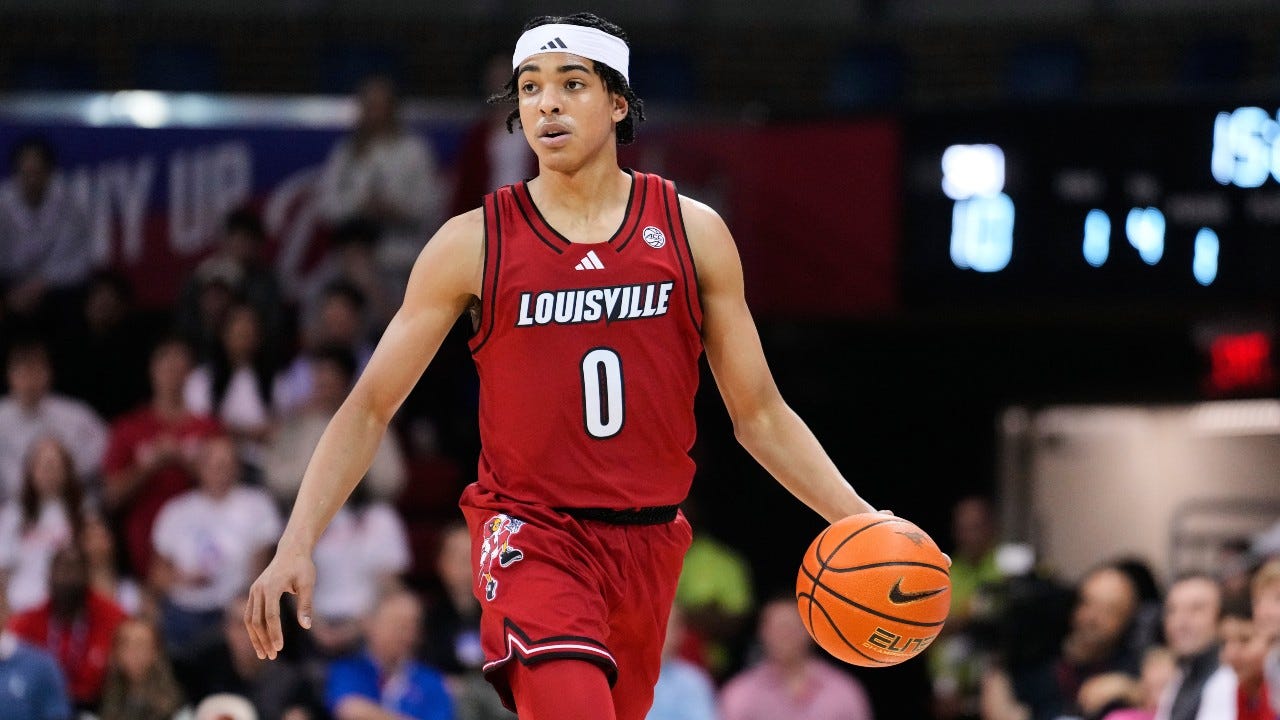
School: Louisville
Class: Freshman
Position: Guard
Height: 6’3.5
Weight: 190.2 LBS
Wingspan: 6’7.5
Draft Day Age: 20.2
Brooklyn Nets fans are in shambles after falling three spots and missing out on a top-five pick again this season, and that’s understandable, but selecting Mikel Brown at six could be a great consolation prize. Brown’s injuries split his season in two, making his evaluation more difficult and a top ten selection more risky.
Through his first ten games (mostly vs weaker opponents), he was a dominant driver and playmaker, but couldn’t buy a bucket outside the paint.
When he returned, the competition was stronger; his driving came back down to earth somewhat, and he turned the ball over much more.
However, his three-point shot returned to form, and he was more productive and efficient overall.
The question is: Can he harness the good of both samples and turn flashes of offensive brilliance into consistent dominance? If he can, he could have one of the highest ceilings in the class.
I think Jordi Fernandez will give him the best opportunity to do so.
7. Sacramento Kings - Darius Acuff
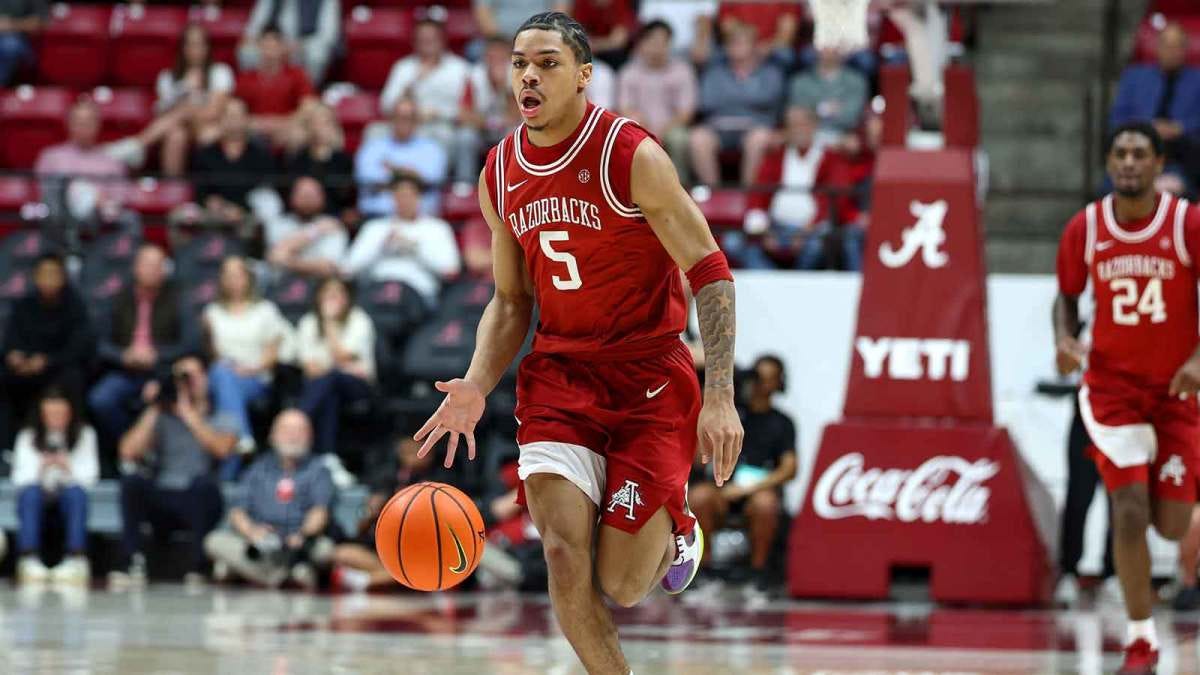
School: Arkansas
Class: Freshman
Position: Guard
Height: 6’2
Weight: 185.8 LBS
Wingspan: 6’7
Draft Day Age: 19.6
Kings fans have every right to be disappointed after failing to move up. They are a franchise that hasn’t had a blue-chip talent in a very long time, and their closest semblance of it is now better off on contending teams.
Their roster is made up of aging talent that doesn’t fit together, run by a historically bad front office. Their current roster has a glaring hole at point guard, and they’re rumored to be interested in Arkansas guard Darius Acuff — the most polarizing prospect in the class.
Though Acuff isn’t my 7th-ranked prospect in the class, and any lineup of Acuff / Lavine / Derzoan / Sabonis would be terrible defensively and questionable offensively, I think it would be beneficial for his career to land in a spot where he’s not expected to handle 30 percent usage right out the gate.
I’m a fan of Acuff’s ability to toggle on and off the ball, dictate pace, and make quality decisions in the half-court or transition. Acuff is one of the best interior passers in the class, displaying historic turnover aversion considering his usage and shot the cover off the ball.
More on his strengths, weaknesses, and areas for improvement below.

8. Atlanta Hawks - Jayden Quaintance
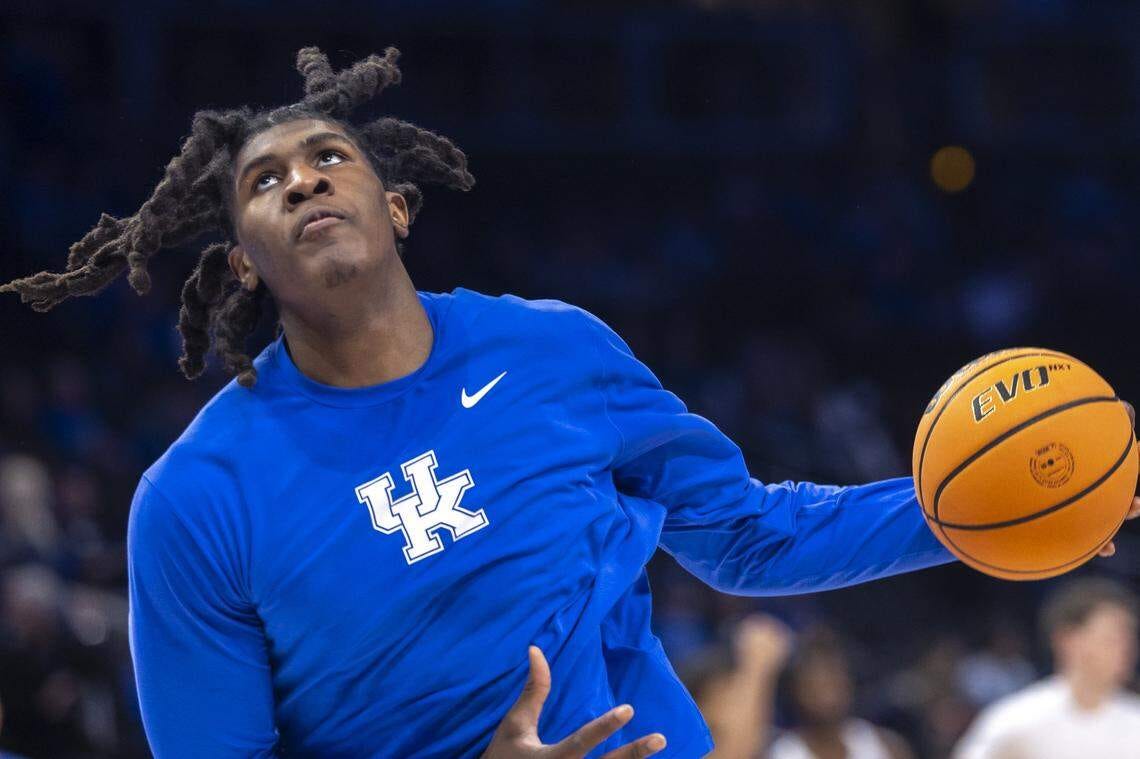
School: Kentucky
Class: Sophomore
Position: Center
Height: 6’9
Weight: 253.4
Wingspan: 7’5.25
Draft Day Age: 18.9
The Hawks quietly made one of the smarter long-term moves in the league when they acquired this pick swap from the Pelicans in one of the most bizarre draft day trades that I can remember. While the Lottery didn’t break their way, maneuvering into a top-ten selection is still a major win.
Atlanta’s clear needs are in their back court and front court, and with Mara off the board, they’ll select Kentucky’s Jayden Quiantance and get the defensive anchor they’ve been seeking since Clint Capela fell out of his prime. Quaintance was out for most of the season recovering from an ACL injury that he suffered in February of 2025.
Quaintance’s injury, temporary return, and a loud contingent of disgruntled Kentucky fans have overshadowed the fact that he was one of the best defenders in the country as a 17-year-old freshman in a power conference. His combination of strength, length, athleticism, and motor makes him arguably the best defender in the class, and that alone warrants a top ten selection.
He’s quite rough around the edges offensively, as he needs to improve his touch and decision-making, but playing with higher-quality playmakers (even relatively) in a smaller role should maximize his effiency on play-finishing playtypes.

9. Dallas Mavericks - Keaton Wagler
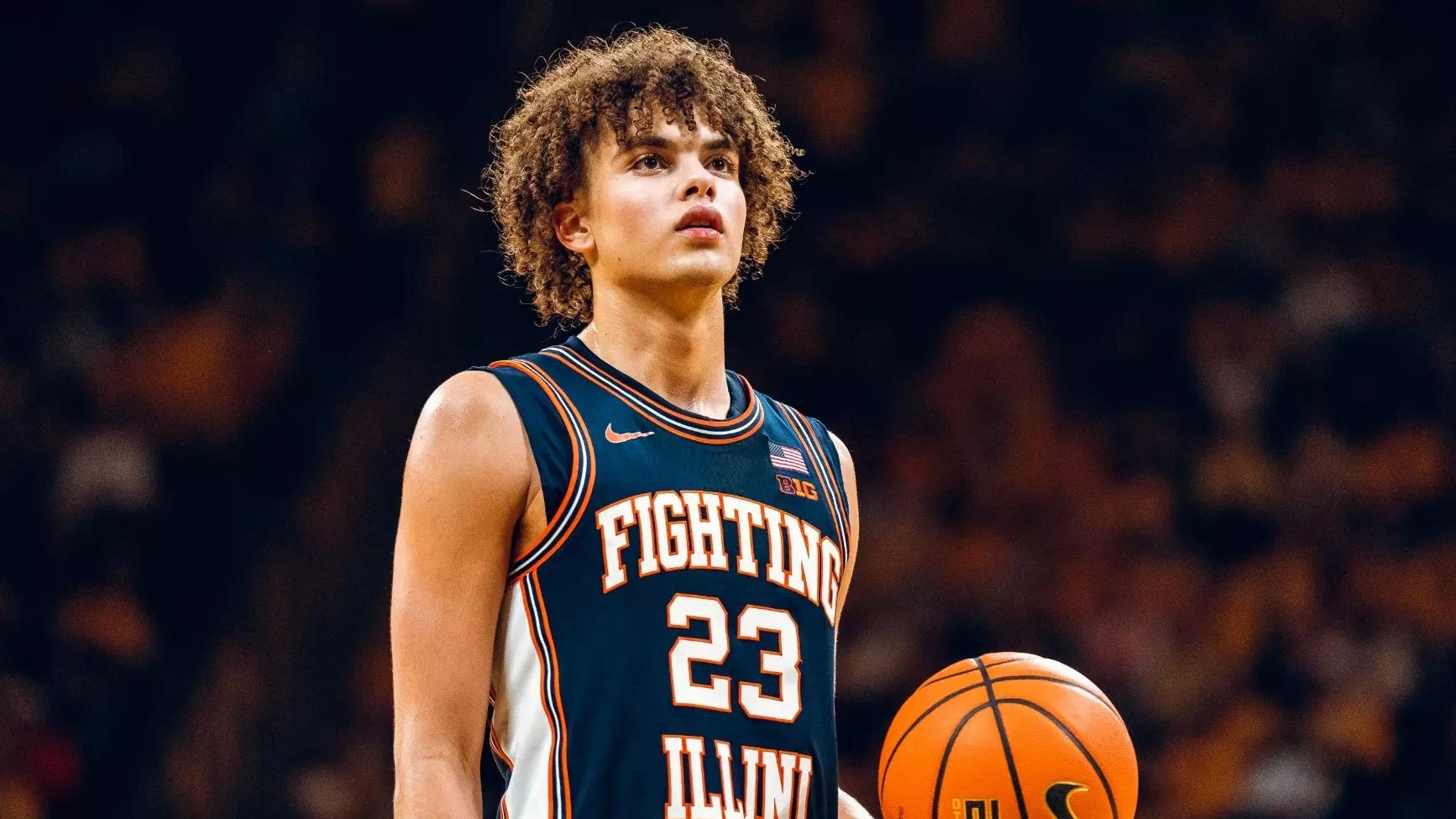
School: Illinois
Class: Freshman
Position: Guard
Height: 6’5
Weight: 188
Wingspan: 6’6.25
Draft Day Age: 19.4
Dallas missed out on lottery luck after stealing Cooper Flagg last season, but even from this position, they have an opportunity to continue building intelligently around Flagg. In Kyrie Irving’s absence, the Mavericks were starved for ball-handling, secondary creation, and shooting, which they’ll receive with their selection of Keaton Wagler.
Wagler was one of the biggest breakout stars in college basketball this year, evolving from a complementary piece into an offensive engine while leading Illinois on a deep tournament run. He’s a very high feel player who handled high usage without turning the ball over and was lights out from three both on and off the ball.
Wagler is a riskier pick inside the top ten than some think. He has clear strength and athleticism concerns, which showed in his dunk and 2-point scoring numbers (especially against tougher competition). His combine measurements were underwhelming relative to what had been rumored. Still, his intersection of shooting/passing and possession-maxxing and overall age-adjusted production could be worth taking a bet on.

10. Milwaukee Bucks - Kingston Flemings
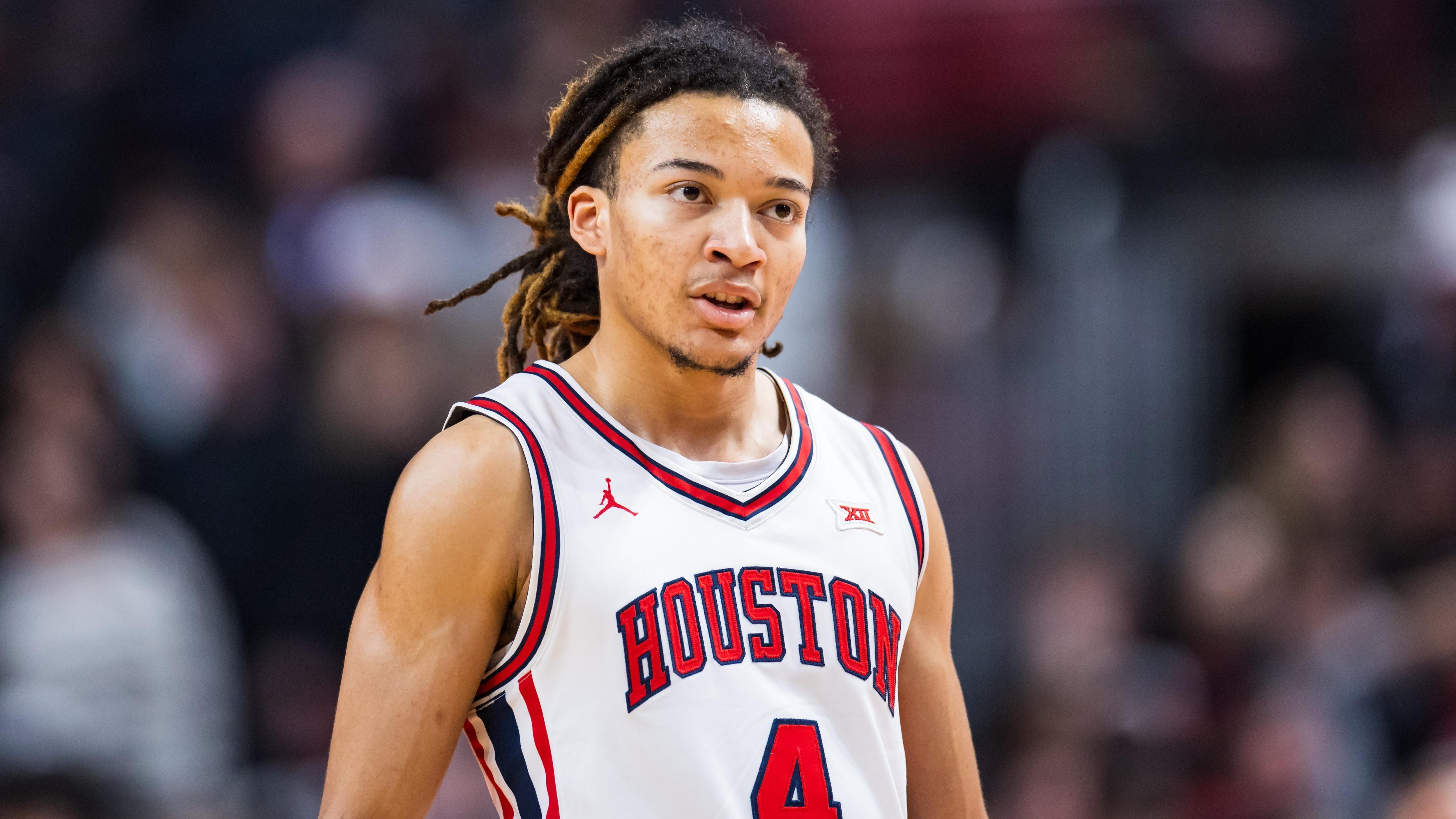
School: Houston
Class: Freshman
Position: Guard
Height: 6’2.5
Weight: 183.4 LBS
Wingspan: 6’3.5
Draft Day Age: 19.5
The Bucks are finally taking calls for Giannis Antetokounmpo and entering a rebuilding/retooling phase. Their goal should be to draft the best player available, and at ten, that would be Kingston Flemings.
Flemings was my fifth-ranked prospect for a good part of the cycle, as he dominated non-conference play, displaying his ability to create paint touches, create without turning the ball over, and defend both guard spots.
However, in Big 12 play, he struggled to finish at the rim frequently, and his inability to create three-point shots and draw fouls significantly hurt his efficiency. A portion of his struggles has to be attributed to playing in a poor offensive context, but Fleming’s mid-range heavy shot diet and contact avoidance aren’t ideal for his NBA translation.
Still, he’s one of the best playmakers in the class who’d be able to create a bunch of quality shots for whatever is left of the Bucks team after the Antetokounmpo trade.

11. Golden State Warriors - Yaxel Lendeborg
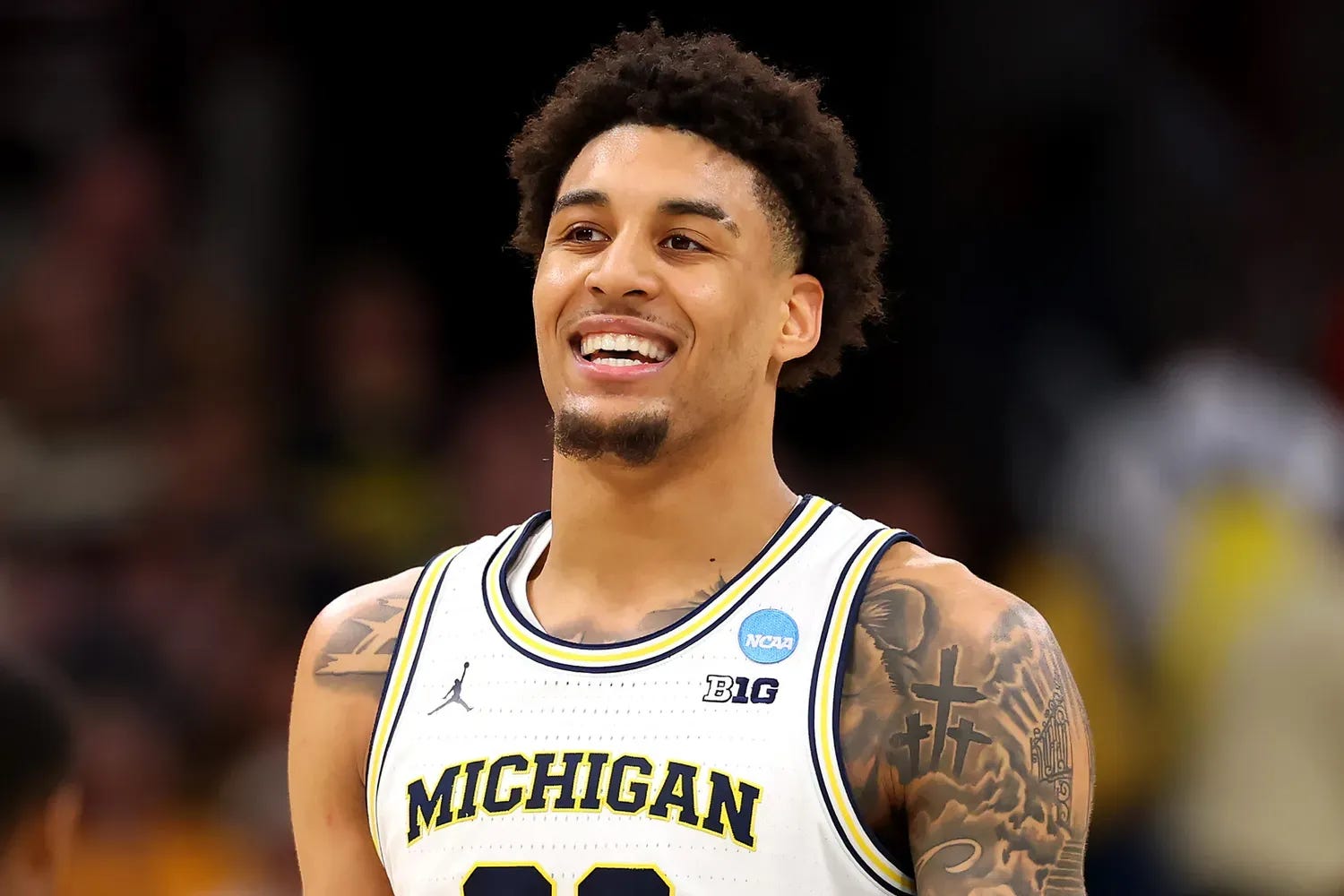
School: Michigan
Class: Senior
Position: Forward
Height: 6’8.75
Weight: 241.4 LBS
Wingspan: 7’3.25
Draft Day Age: 23.7
The Warriors announced an extension for Steve Kerr a few days ago, which signals they’re likely to give the Stephen Curry era one more shot. With that in mind, selecting Yaxel Lendeborg would be their best bet to get day one production, and contrary to popular belief, his upside may not be capped despite being a 24-year-old player.
Lendeborg’s ability to make quick decisions, move without the ball, knock down spot-up threes, attack closeouts, and run in transition would thrive in the Warriors’ offense, and his defensive versatility and rebounding are a much-needed bonus for Golden State.
If healthy, Curry-Butler-Lendeborg-Draymond-Porzingis lineups could wreak havoc on the league.
12. Oklahoma City Thunder - Hannes Steinbach
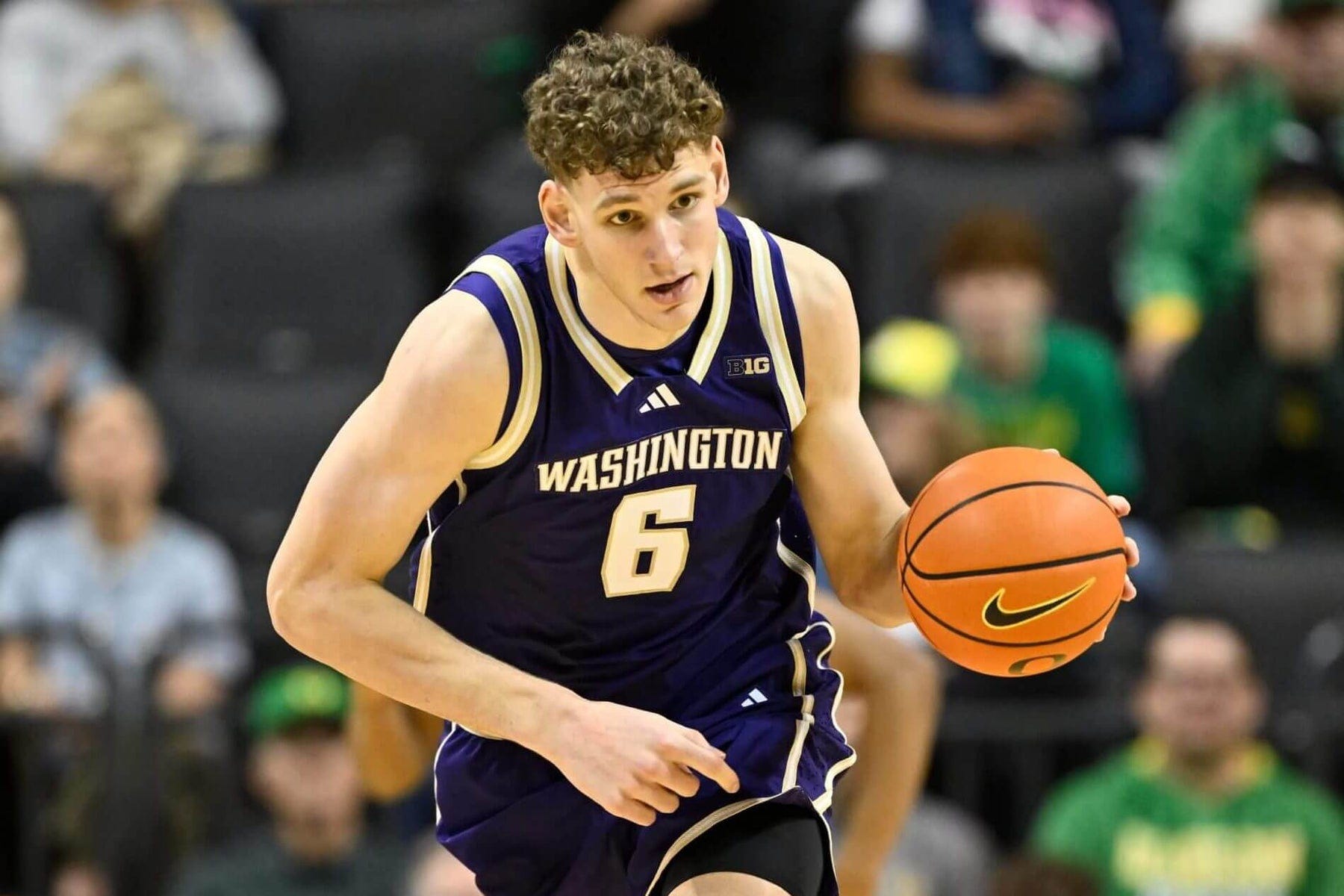
School: Washington
Class: Freshman
Position: 6’10.25
Height: 248
Weight: 7’2.25
Wingspan: 9’0
Draft Day Age: 20.2
The Thunder are on their way to the Western Conference Finals and yet are still reaping the rewards of the Paul George trade. Oklahoma City doesn’t have a ton of holes, but it does have too many good players for the CBA to allow. Even if they repeat and win the championship this season, they could still look to move Isaiah Hartenstein or Lu Dort as the roster becomes more expensive when Chet Holmgren and Jalen Williams max contracts get on the books.
Hartenstein feels like the most likely to be moved, and by drafting Hannes Steinbach, they get a big man who could one day play the double big lineups with Holmgren. Steinbach was one of the most productive players in college basketball, doing it while playing in a very poor context. He’s arguably the best offensive rebounder in the class, drives from the perimeter, rolls to the basket, and scores in the post. Steinbach also has shooting upside (34% from 3, 44.8 percent on far twos + 76% FT) and is an underrated passer.
The bulk of his concern for Steinbach comes on the defensive end, as he struggled to both protect the rim and guard on the perimeter at times, but with the best defensive personnel in the league around him and a top-three defender in the world as his partner in the front court the value he provides to the Thunder’s offense, espeically as an offensive rebounder, is enough to outweigh any potential defensive pittfalls.

13. Miami Heat - Ebuka Okorie
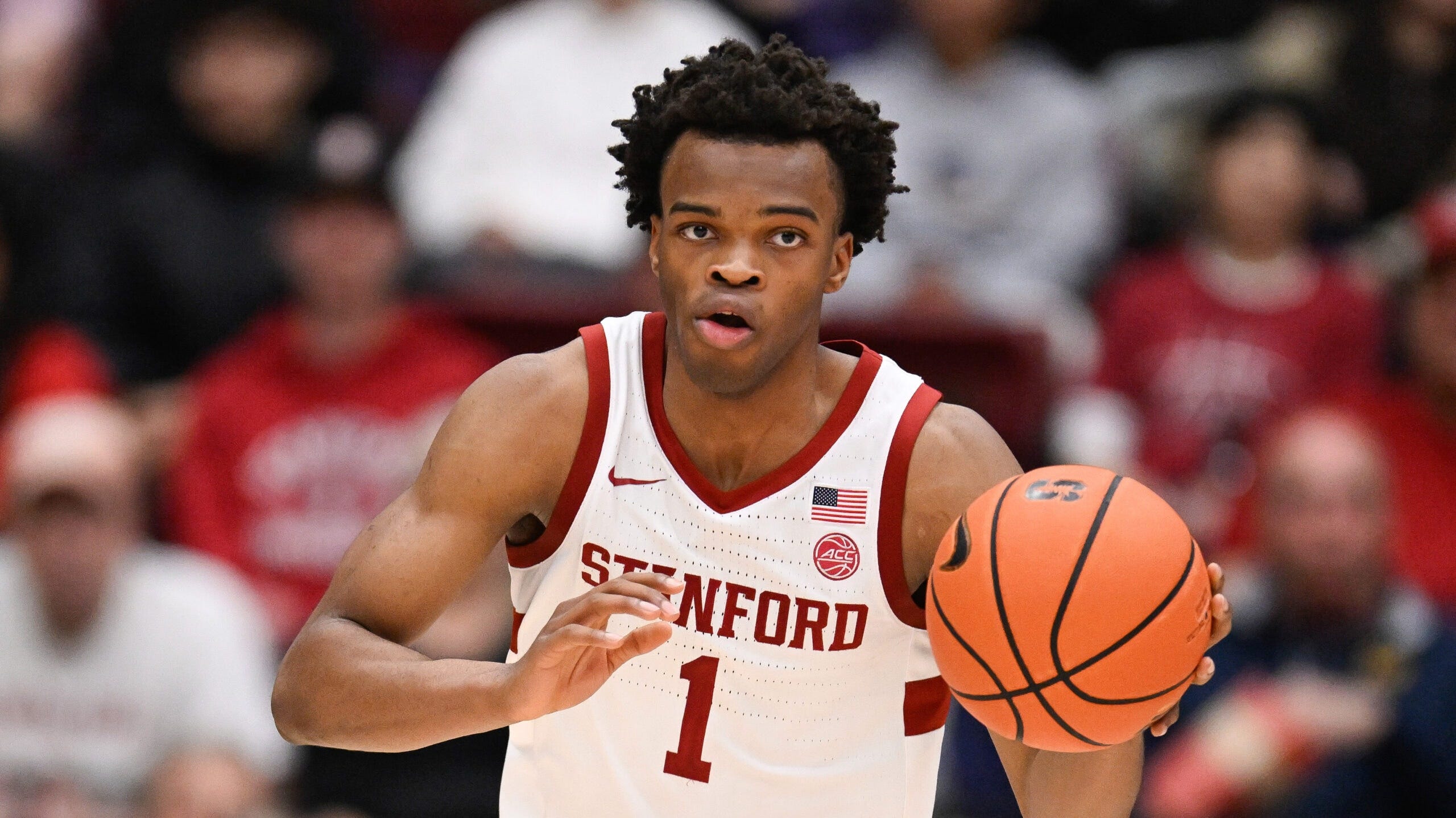
School: Stanford
Class: Freshman
Position: Guard
Height: 6’1.25
Weight: 186 LBS
Wingspan: 6’7.75
Draft Day Age: 19.2
Pat Riley still has the Miami franchise in the palms of his wrinkled hands, and he’s still intent on not tanking. Well, the Lottery did not reward him for his commitment to mediocrity, so they’ll have to continue their trend of hitting on talent in the late Lottery to mid-first range.
Luckily for Heat fans, the NBA world is still sleeping on Ebuka Okorie, and they’ll have an opportunity to draft one of the best advantage-creating guards in this class. Okorie has the best combination of speed, athleticism, handle, and counters of any guard in the draft, and it has largely gone overlooked.
He handled extremely high usage in a poor context without turning the ball over, and he remained efficient and impactful for Stanford’s offense. His passing/assist numbers have been underwhelming for his usage, and he needs to improve his ability to make advanced reads, but he’s not a poor passer by any means.
With a guard of his size, defensive viability will always be a concern, but he surprised with a near 6’8 wingspan and gives effort at the point of attack. The fit next to Tyler Herro could raise questions on both ends, but Miami desperately needs his creation juice.
14. Charlotte Hornets - Morez Johnson
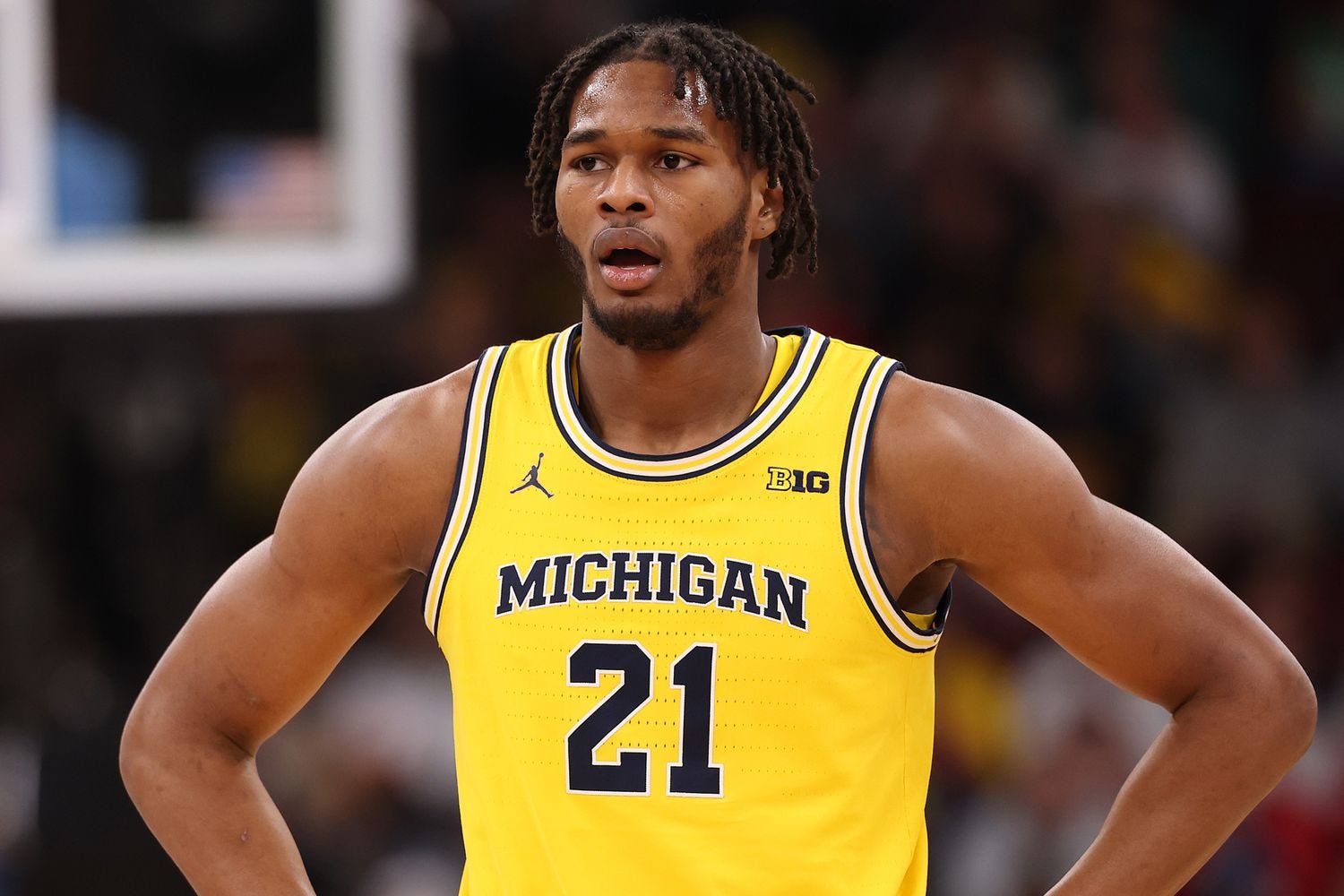
School: Michigan
Class: Sophomore
Position: Forward / Center
Height: 6’9
Weight: 250.6 LBS
Wingspan: 7’3.5
Draft Day Age: 20.4
The Hornets looked like they were destined for another top-five pick to begin this season, but then they completely turned it around and were one of the best teams in the NBA from December on.
They ultimately got bounced in the play-in, but the season was a success. Fans got to see what the team could look like with Lamelo and Brandon Miller healthy, and Kon Knueppel had one of the best rookie seasons this century.
However, their failures in the play-in exposed a clear need for interior presence on both sides of the ball.
To start addressing that flaw, at 14, they’ll select Morez Johnson, one of the biggest winners from the early Combine measurements and drills. Morez will fit like a glove in Charlotte. His ability to play-finish, run in transition, offensive rebound, and protect the rim and potentially space the floor is exactly the type of skillset that the Hornets need to become a comfortable playoff team.
15. Chicago Bulls - Chris Cenac
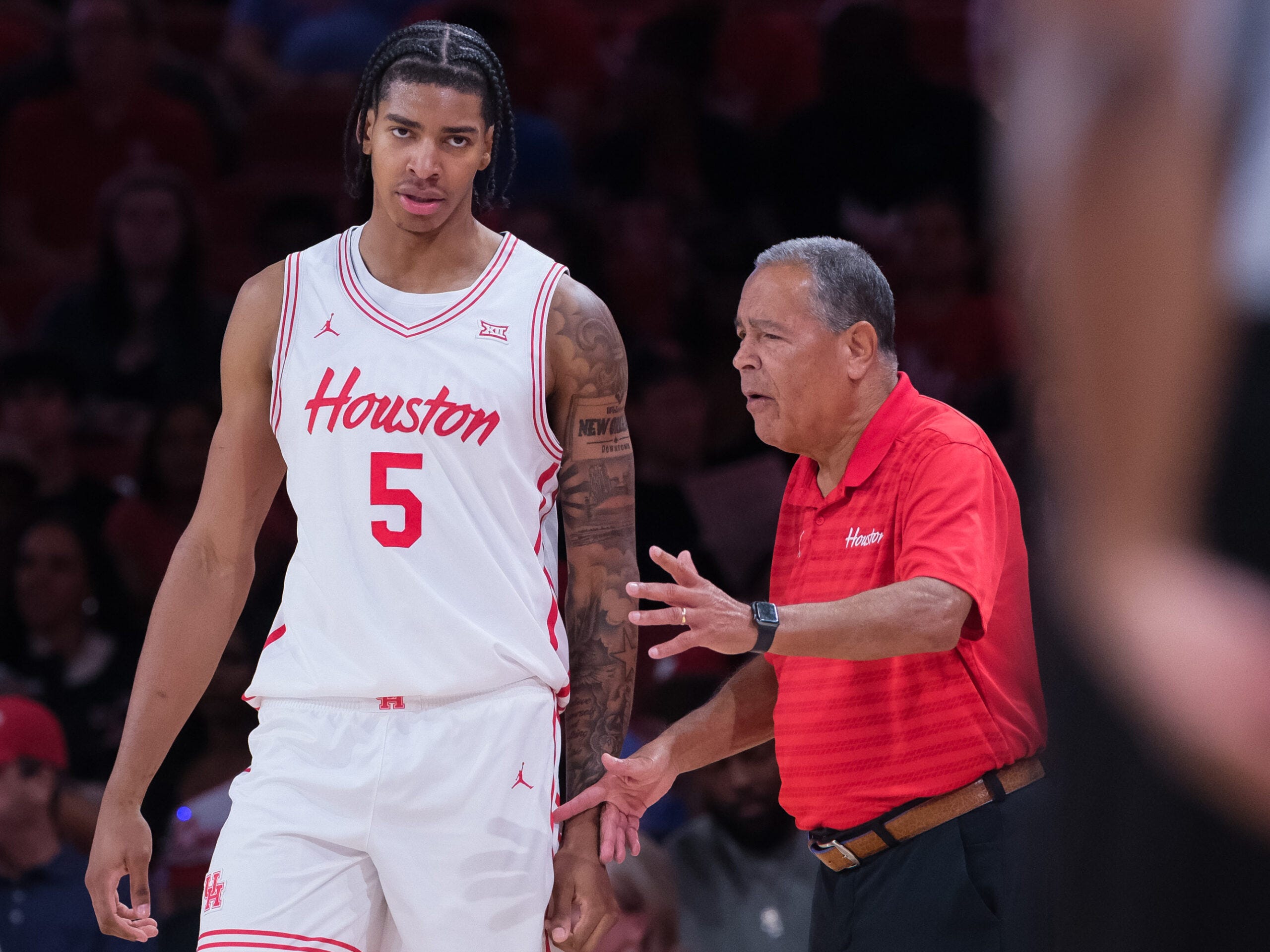
School: Houston
Class: Freshman
Position: Forward / Center
Height: 6’10.25
Weight: 239.6 LBS
Wingspan: 7’5
Draft Day Age: 19.4
By selecting Chris Cenac at 15, the Bulls would continue to follow Graham’s SLAP philosophy. Cenac’s measurements were known to be ridiculous before the combine, but seeing the official numbers definitely raised his stock a bit.
The freshman is one of the best rebounders in the class. He posted a 26.1 rebound percentage while spending the vast majority of his time on the court with another big man. Taking him here would definitely be risky, but the rebounding, play-finishing, defensive versatility, and shooting “upside” could be worth the swing.
Cenac needs to turn a ton of his mid-range shots into more three-point attempts and improve his awareness on both ends of the floor, but he convinced me that he was coachable during his one year at Houston.
16. Memphis Grizzlies - Brayden Burries
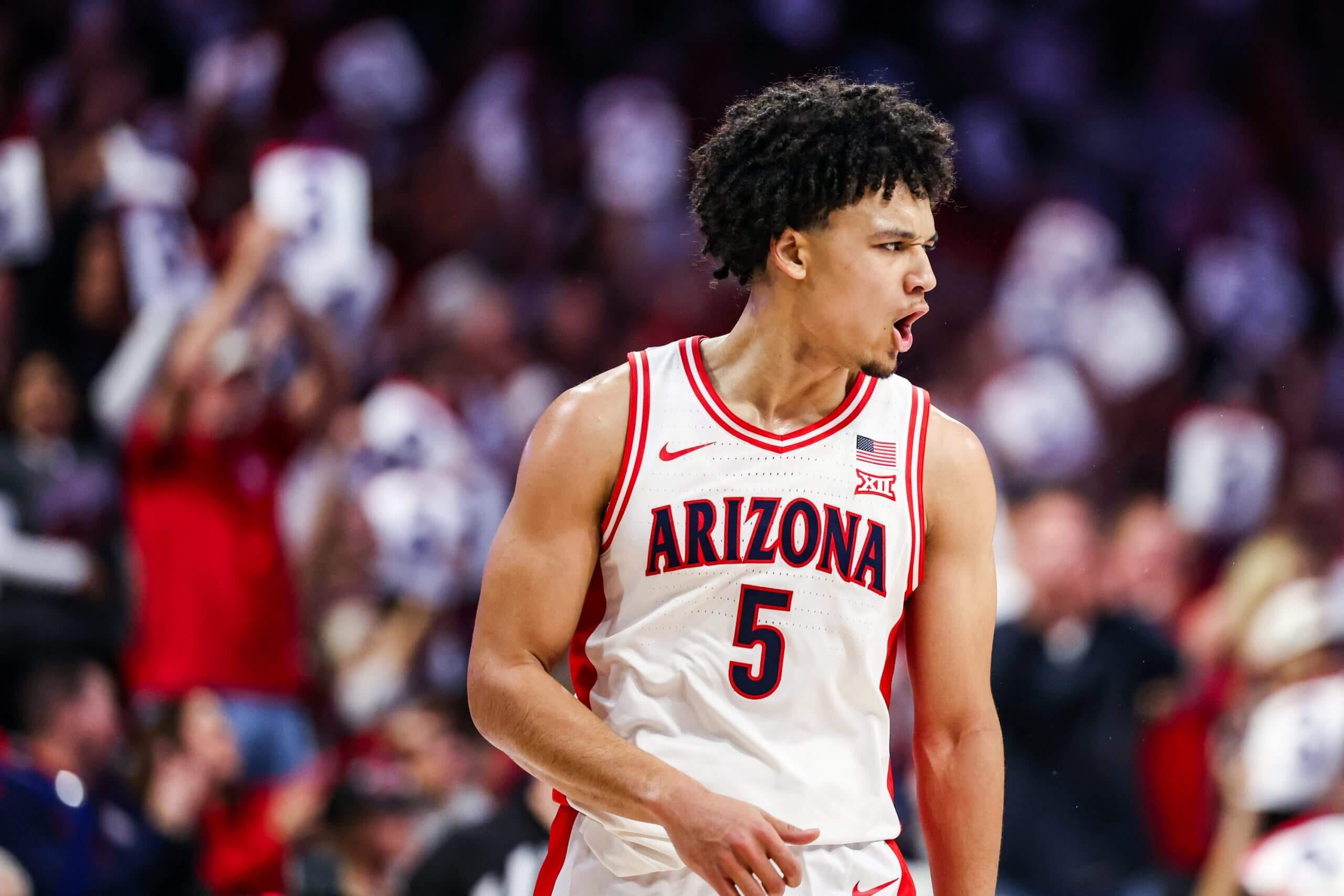
School: Arizona
Class: Freshman
Position: Guard
Height: 6.3.75
Weight: 215.4 LBS
Wingspan: 6’6
Draft Day Age: 20.9
After drafting Caleb Wilson, the Grizzlies would likely be one of the winners of the draft if Burries were to fall this far (he won’t).
Burries is an extremely well-rounded player, but does not have an elite skill. He’s improved into a quality three-point shooter, and is the best rebounding guard in the class, and is a nightmare in transition. The freshman can toggle between ball and guard spots.
Burries would fit cleanly next in Memphis’s lineup and could add value from day one while potentially being a false ceiling prospect.
17. Oklahoma City Thunder - Cameron Carr
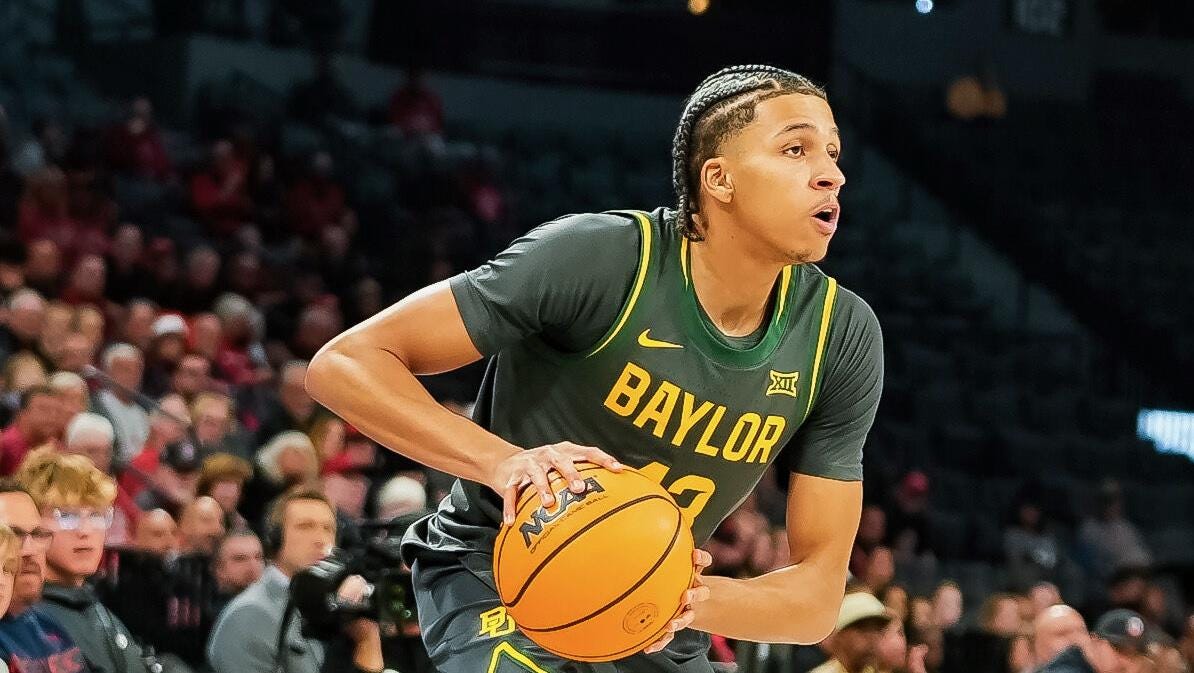
School: Baylor
Class: Junior
Position: Wing
Height: 6’4.75
Weight: 184.4 LBS
Wingspan: 7’0.75
Draft Day Age: 21.7
Pick 17 feels like a luxury for the Thunder. With it, they’ll add much-needed shooting, athleticism, and play-finishing around their primary creators. Carr was the only high-major player in the country with 50 threes, 40 dunks, and a 3-block percentage or higher.
There is some risk here because he didn’t break out until he was 20 years old, is fairly light for his size, is heavily assisted, is not a good passer, and struggled to finish from 2 against tougher competition, but in a scaled-down role, his shooting, cutting, closeout attacking, and weakside rim protection should still provide value.
18. Charlotte Hornets - Dailyn Swain
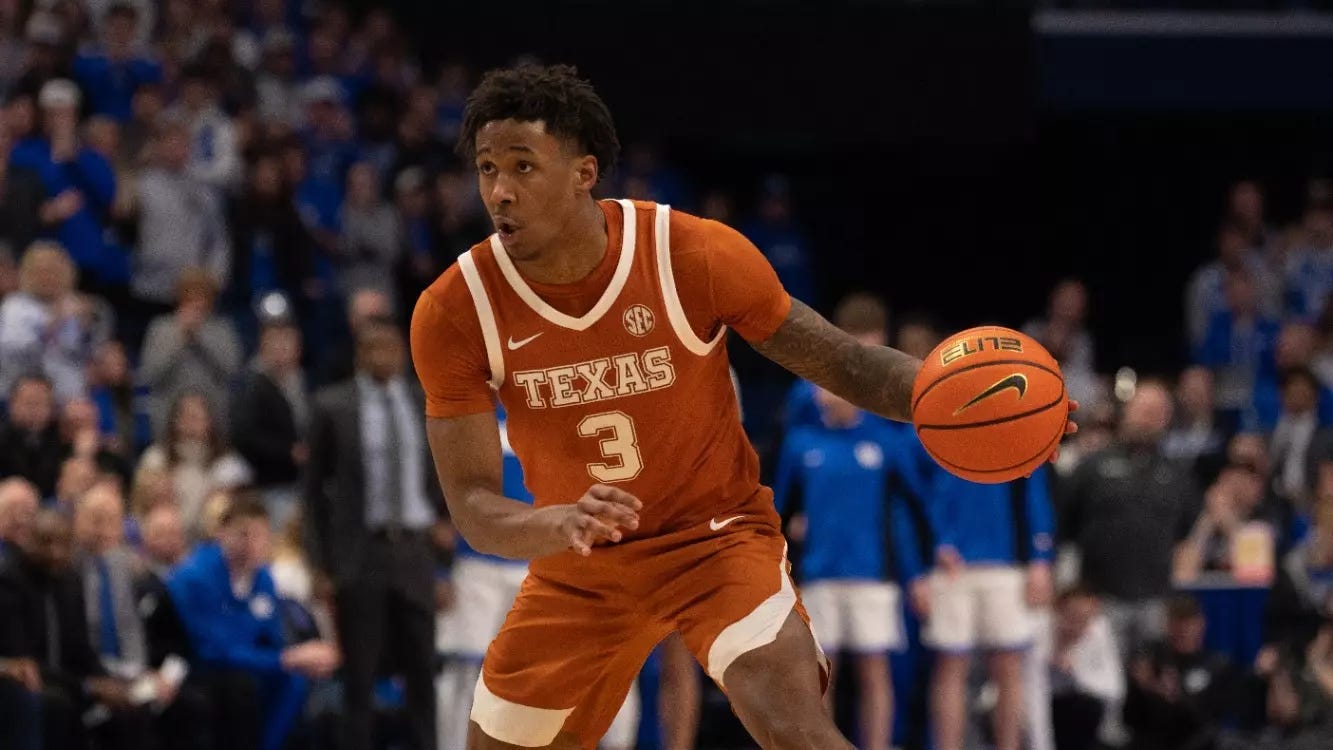
School: Texas
Class: Junior
Position: Wing
Height: 6’6.5
Weight: 211.2
Wingspan: 6’10
Draft Day Age:
With their second pick in the first round, the Hornets add a dynamic creator in Dailyn Swain to continue to improve their athleticism and two-point scoring. Swain has shown the ability to scale up and down throughout his collegiate career. His measurables, especially his weight and wingspan, were underwhelming, but the application of his tools matters the most.
He has jumpshot concerns, and his turnovers spiked when he handled higher usage in conference play this season, but in a scaled-down role, his slashing, passing, and defense would be extremely useful for Charlotte.
19. Toronto Raptors - Bennett Stirtz
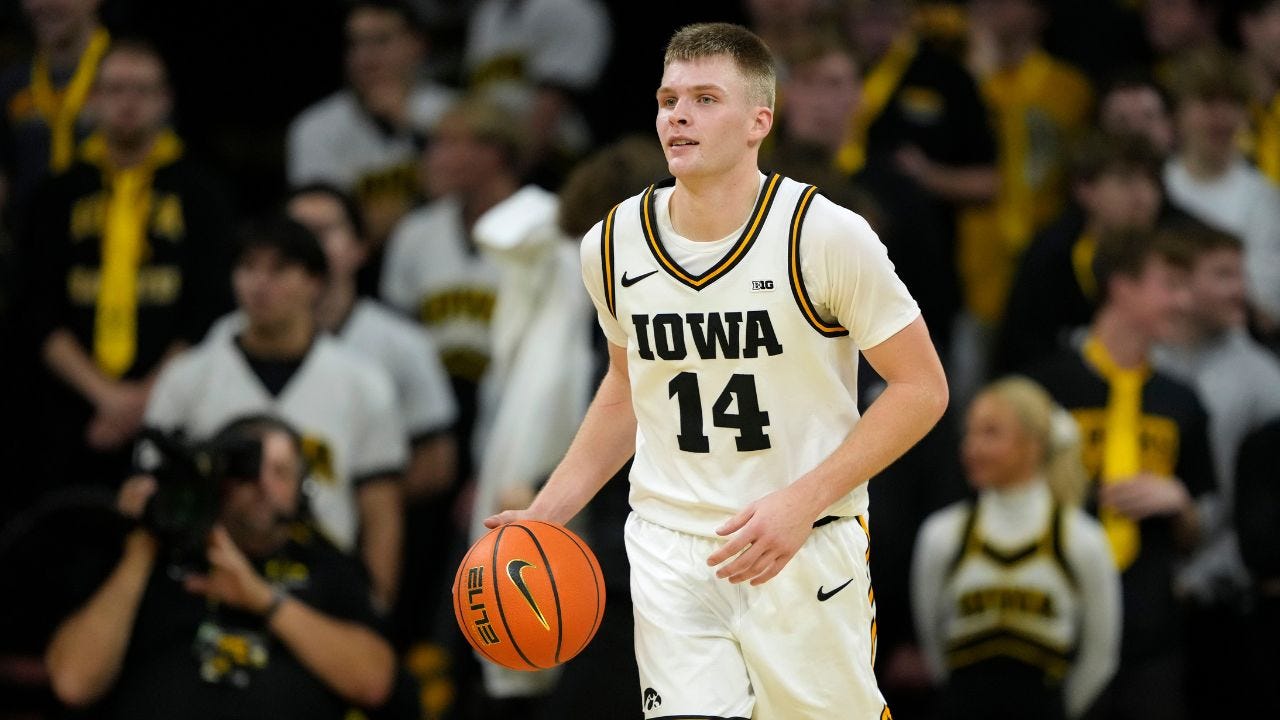
School: Iowa
Class: Senior
Position: Guard
Height: 6’2.5
Weight: 186.2
Wingspan: 6’6
Draft Day Age: 22.8
The Toronto Raptors exceeded expectations this season, comfortably making the playoffs and pushing a more talented Cleveland team to seven games. Still, their offense was clearly flawed and relied on creating turnovers and getting out in transition to create quality offense.
Getting Bennett Stirtz, the draft’s best half-court operator, would be a complete steal if they’re able to pull it off. After moving from Division II, Stirtz dominated college basketball first at the mid-major level at Drake, then at the high-major level at Iowa, leading them to an Elite Eight appearance. No matter the competition, Stirtz has handled high usage without turning the ball over and scored effectively from all three levels.
There are valid concerns about his age, on-ball defense, and ability to beat better athletes off the dribble (especially without a screen), but ultimately, this will be a prospect we look back and think, “How did people miss this?”
20. San Antonio Spurs - Nate Ament
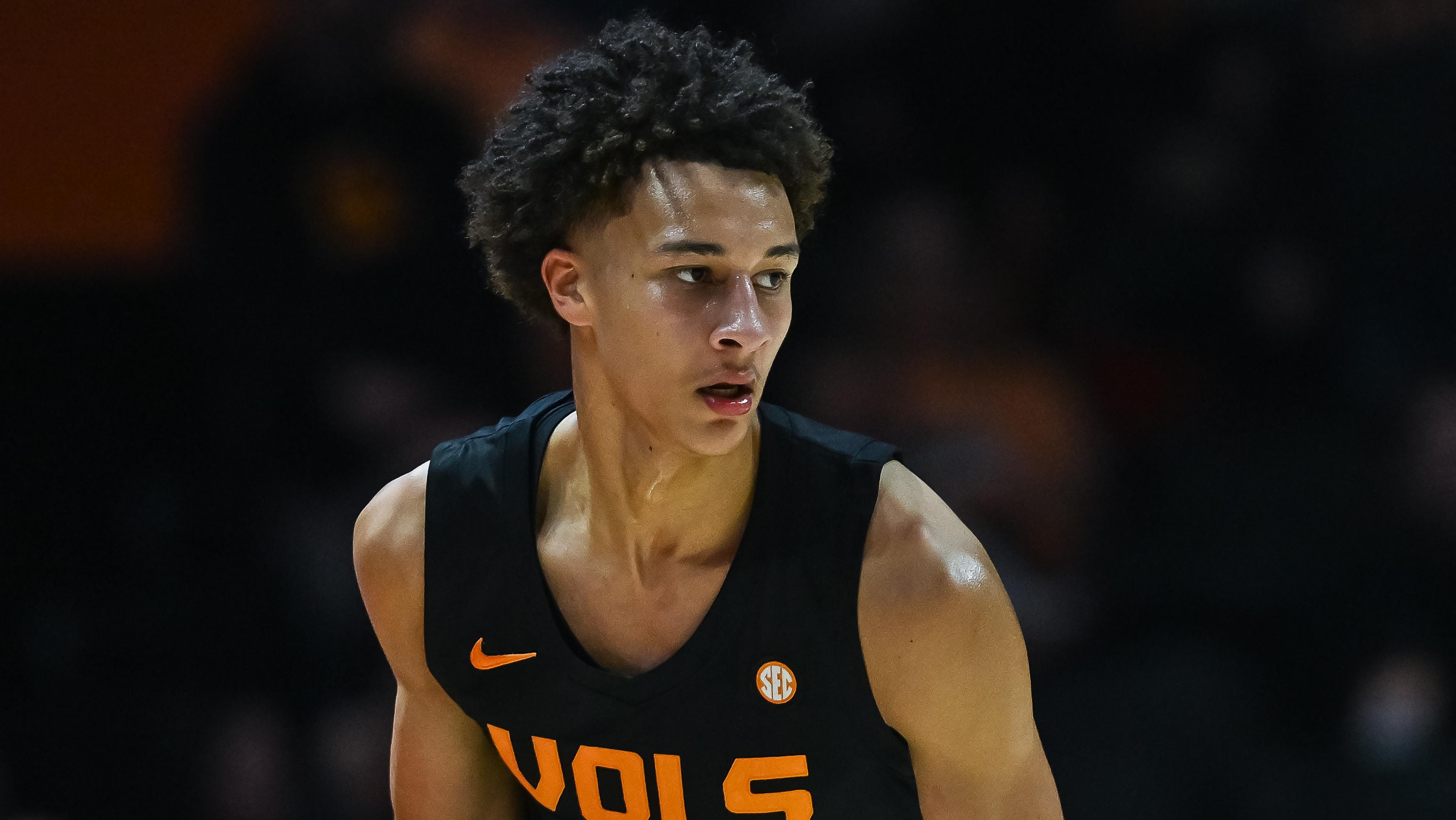
School: Tennessee
Class: Freshman
Position: Forward
Height: 6’9.5
Weight: 210.8
Wingspan: 6’11.5
Draft Day Age: 19.6
The Spurs are locked in a battle with the Timberwolves, but are the favorites to meet the Thunder in the Western Conference Finals. Despite their success this year, they have a clear need at the 3/4 spot, and that’s where Nate Ament comes in. Once a consensus top-five recruit, Ament slipped down a lot of draft boards after struggling mightily to begin the season.
The freshman turned it around a bit in conference play, but many of the same concerns remained: poor rim finishing, a mid-range-heavy shot diet, and underwhelming athleticism.
There should still be some appeal for a 6’10 player with better shooting priors than he displayed at Tennesee, who can rebound well and guard wings and forwards, but Ament is unquestionably a risky pick, even at 20.
21. Detroit Pistons - Labaron Philon
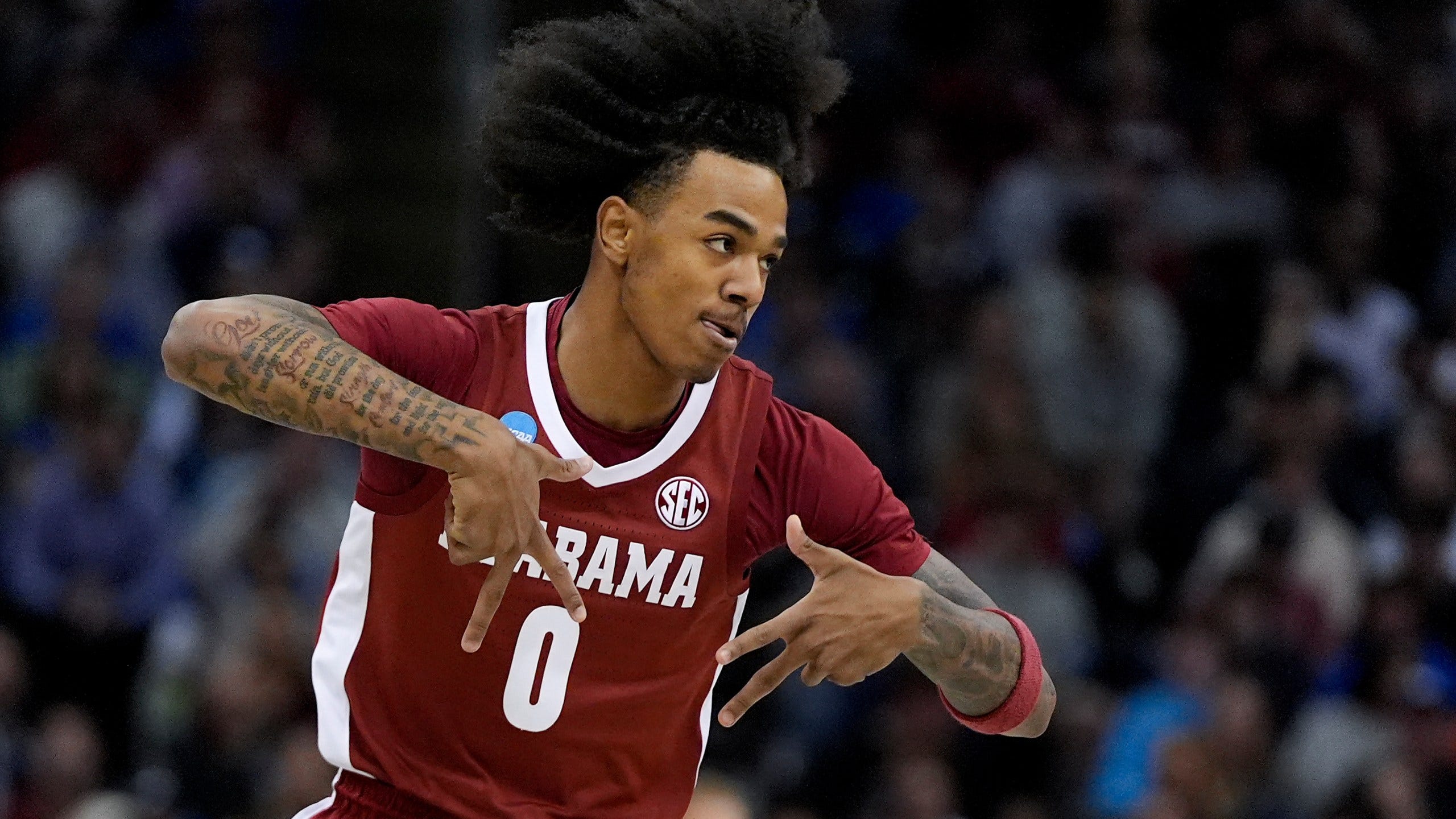
School: Alabama
Class: Sophomore
Position: Guard
Height: 6’2.5
Weight: 176.2 LBS
Wingspan: 6’6.25
Draft Day Age: 20.6
Whether the Pistons make it out of the second round or not, it has been clear they need secondary creation, shooting, scoring, and ball-handling alongside Cade Cunningham. Their first opportunity to do so will be in the draft, and grabbing Labaron Philon would be an excellent start.
In his two years at Alabama, Philon showed the ability to scale up as a high-usage creator or scale down as a secondary ball-handler and point-of-attack defender. This season, he not only scaled up but he kept turnovers down, increased his three-point volume and effiency and improved his rim finishing dramatically.
Philon does have limitations as an athlete; his defense fell off a cliff with higher usage, and he didn’t use the extra year in college to gain a significant amount of weight, but in the right situation, he could provide immense value and heavily outplay this selection.
22. Philadelphia 76ers - Allen Graves
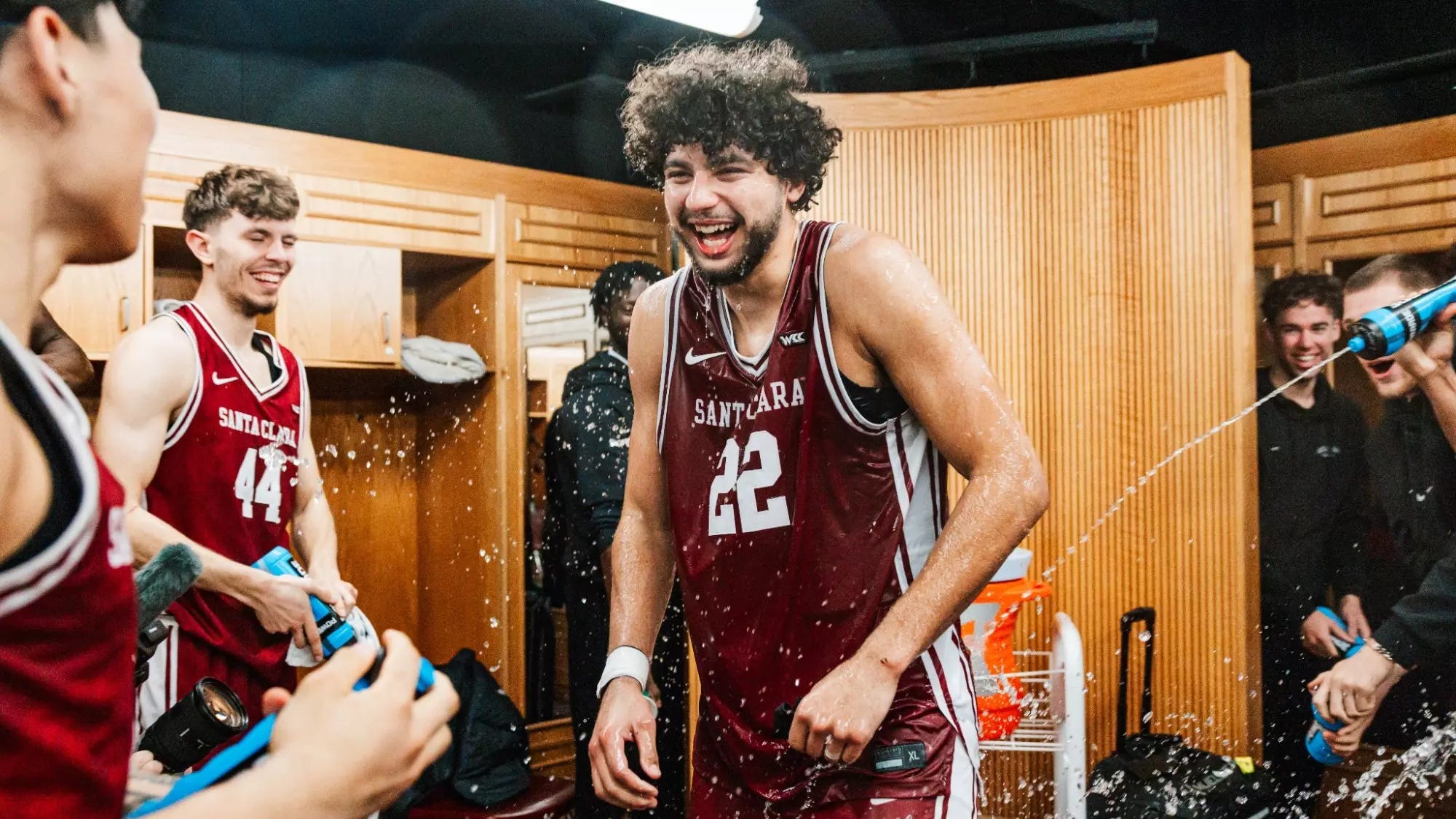
School: Santa Clara
Class: Redshirt Freshman
Position: Forward
Height: 6’7.75
Weight: 225.6 LBS
Wingspan: 7’0
Draft Day Age: 19.9
The Sixers shocked the world, coming back from a 3-1 deficit, only to be boatraced by the Knicks. Though even in their wins, it was clear they lacked size and a quality power forward, and that’s where analytics darling Allen Graves comes in.
Graves undeniably has one of the best statistical profiles that I’ve seen. He’s an extremely high feel prospect, which is apparent in his humbers on both ends. He’s a great passer and rebounder and has shown an ability to space the floor.
He played out of position a ton at Santa Clara, which led to some foul trouble, and he needs to work on his conditioning, but this would be a quality player to insert next to Joel Embiid.
23. Atlanta Hawks - Christian Anderson
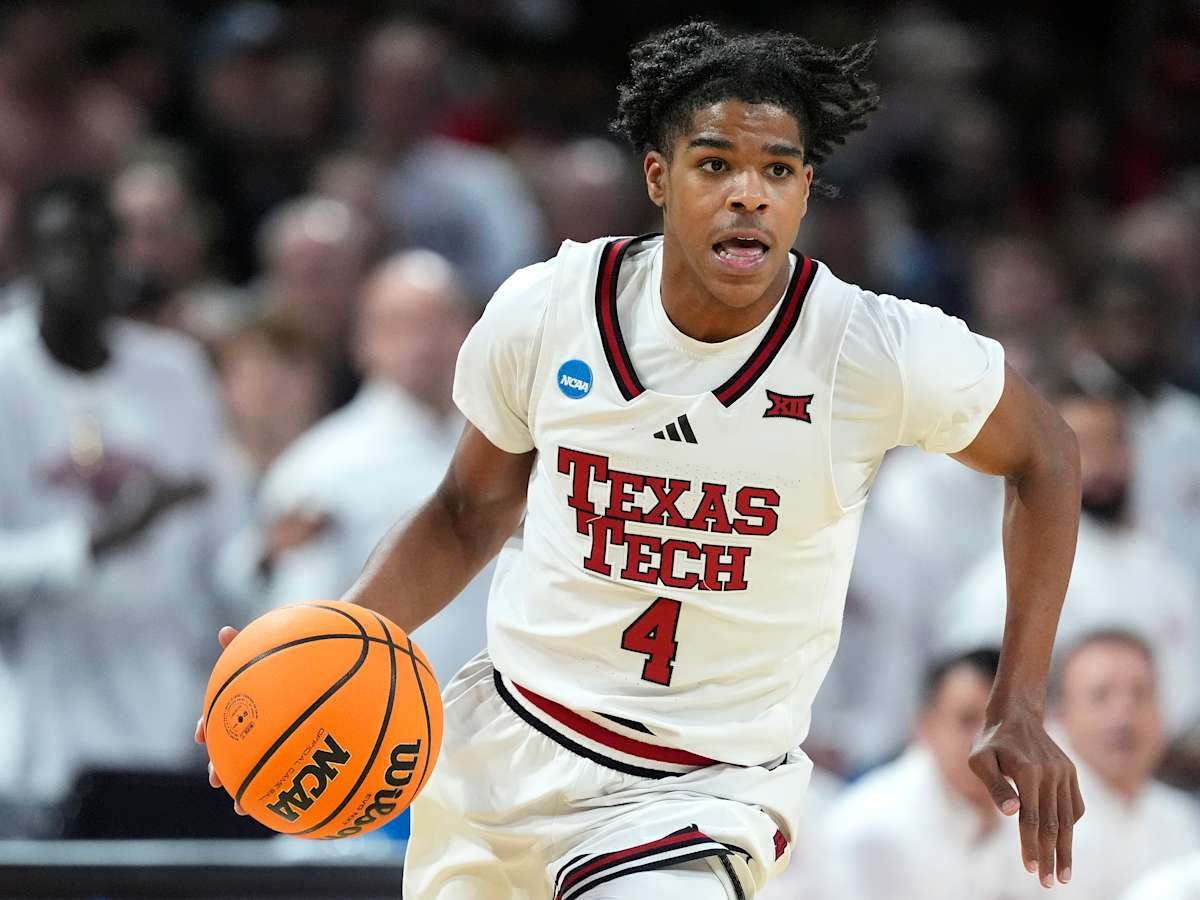
School: Texas Tech
Class: Sophomore
Position: Guard
Height: 6’0.75
Weight: 180.4 LBS
Wingspan: 6’6.25
Draft Day Age: 20.2
The Hawks use their second pick in this class to get a much-needed perimeter ball handling and creation. Christian Anderson is one of the best shooters in the class, and he combines his shooting with quality passing and elite decision-making in the pick-and-roll.
Anderson struggles against athletics and didn’t perform well against traps, switches, and hard hedges. There are valid concerns, but there aren’t too many guards in this class with his shooting and passing intersection that should be valuable to Atlanta.
24. New York Knicks - Karim Lopez
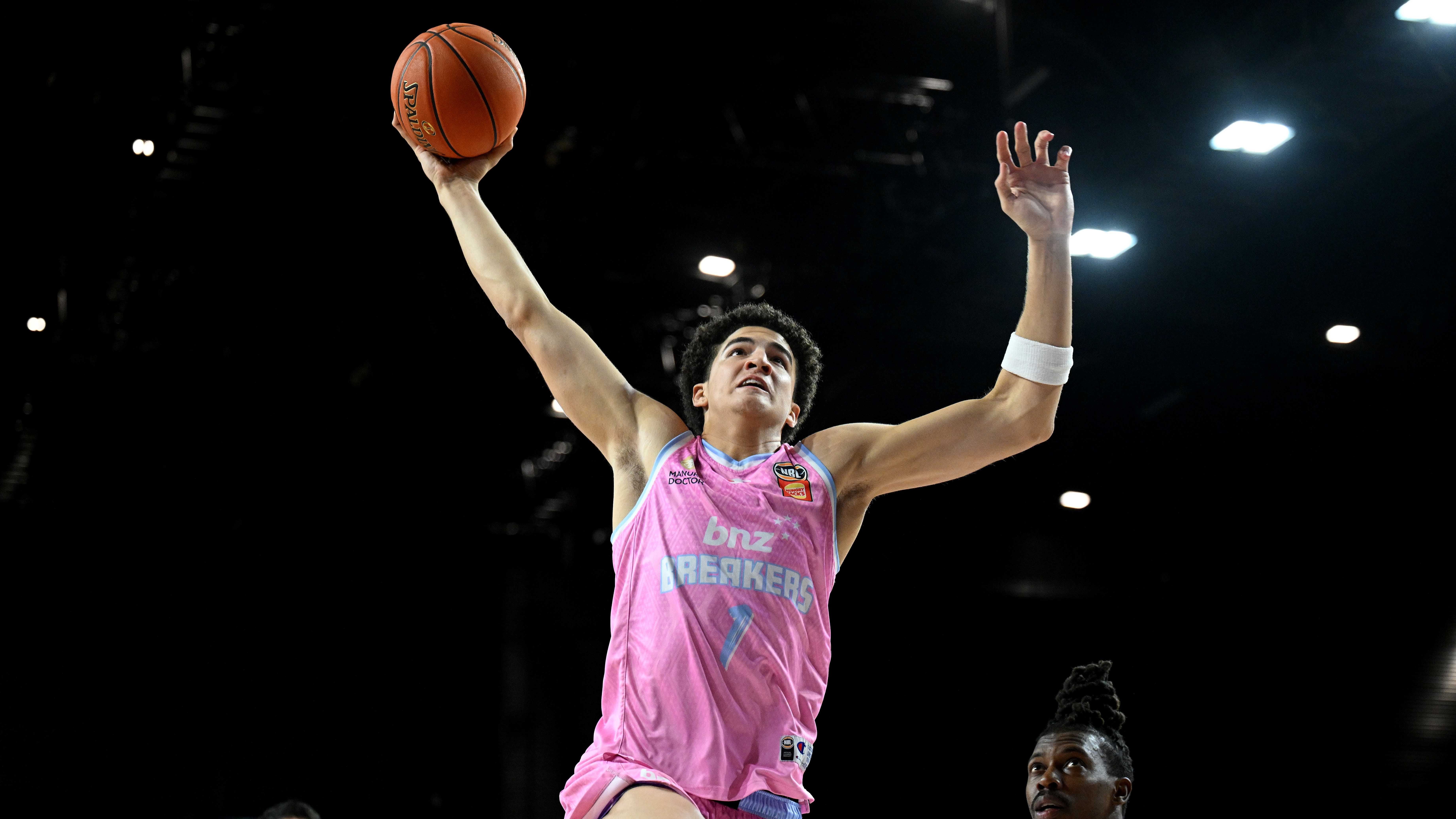
Team: New Zealand Breakers
Class: Sophomore
Position: Wing
Height: 6’8.25
Weight: 221.8
Wingspan: 6’11.5
Draft Day Age: 19.2
The Knicks are chilling in the ECF without many holes on their roster, but could benefit from another wing and a backup center. At 24, they add Karim Lopez, one of the youngest players in the class who has produced for two seasons in the NBL.
Lopez is a jack of all trades, master of none, who could provide value as a rotational piece with his slashing off the catch, rebounding, connective passing, and weakside rim protection.
25. Los Angeles Lakers - Tounde Yessoufou
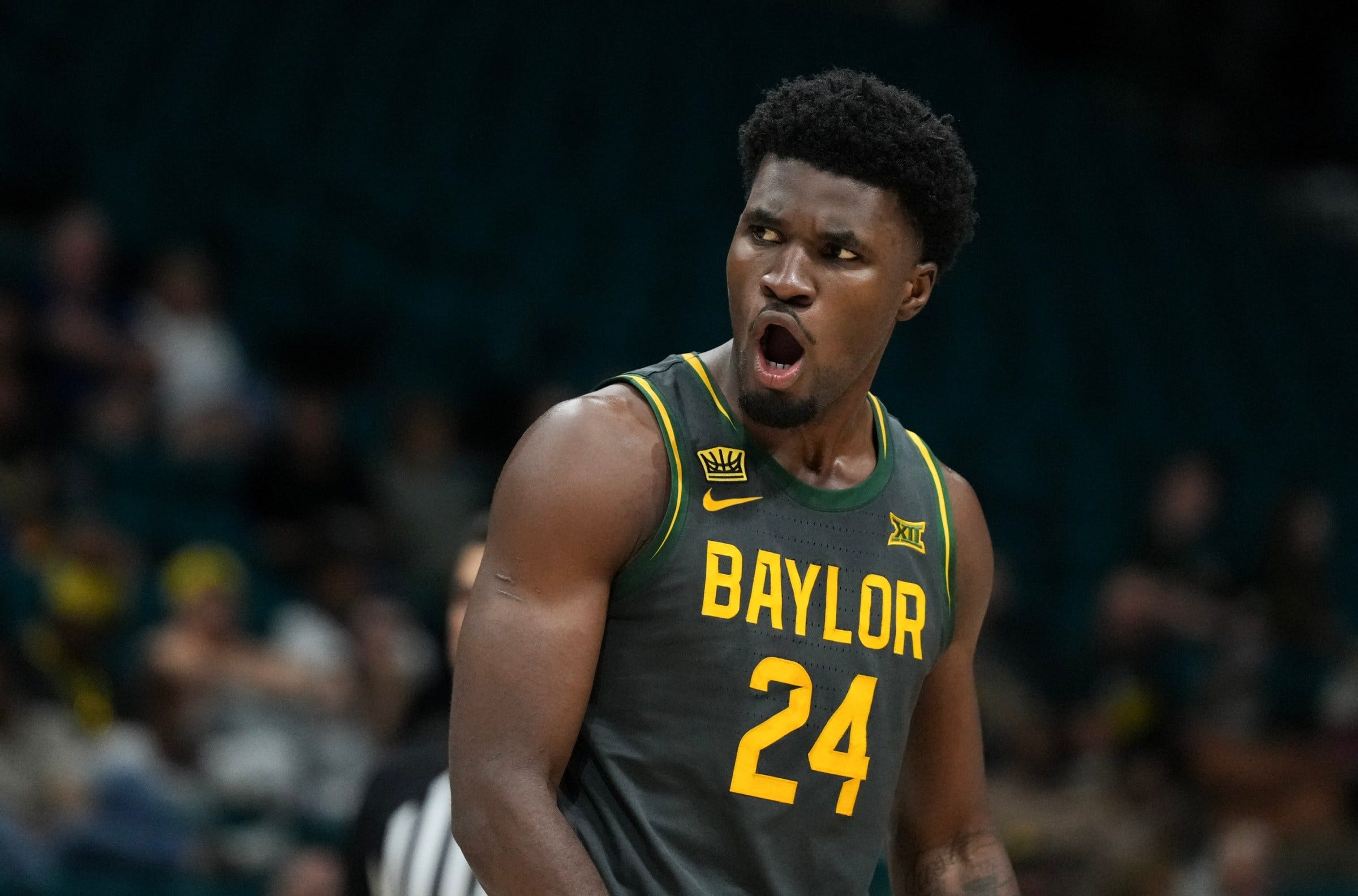
School: Baylor
Class: Freshman
Position: Wing
Height: 6’4 1/4
Weight: 219.8
Wingspan: 6’10
Draft Day Age: 20.1
The Lakers overachieved a bit without Luka in their win over the Rockets, but it is clear they are far away from championship contention. One of the best ways to build around Luka is surrounding him with length and athleticism, and the Lakers could add to that by selecting Tounde Yessoufou.
In a scaled-down role, Yessouou can be more impactful and efficient than he was at Baylor, where he struggled with shot selection and creating for others. His spot-up shooting, closeout attacking, rebounding, and transition play are the ideal modes of a player to put next to Doncic. Think Lu dort.
26. Denver Nuggets - Joshua Jefferson
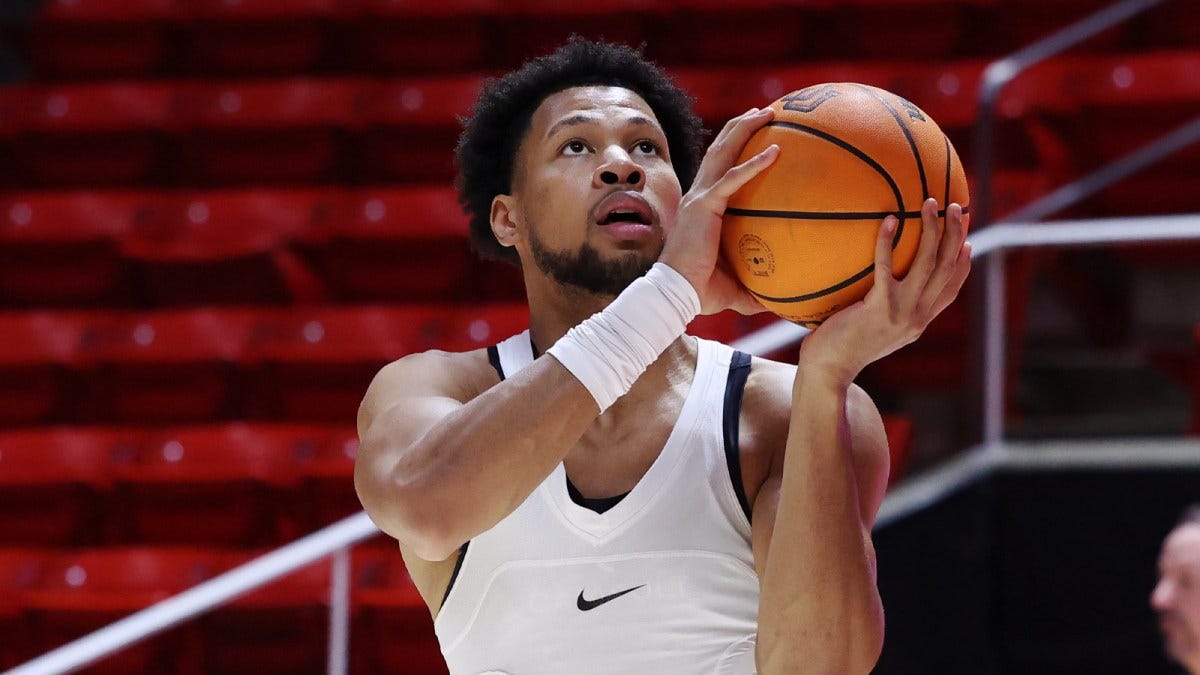
School: Iowa State
Class: Senior
Position: Forward
Height: 6’7 3/4
Weight: 246.2 LBS
Wingspan: 6’10 3/4
Draft Day Age: 22.7
Joshua Jefferson is an extremely high-feel prospect who excels as a passer, rebounder, defender, and foul-drawer. Denver desperately needs more size, athleticism, and scalable complementary talent around Nikola Jokic, and Jefferson helps address some of those concerns. He won’t fix all the issues exposed in their embarrassing loss to the Timberwolves, but simply adding good players who can contribute in multiple ways is how strong teams improve on the margins.
27. Boston Celtics - Malachi Moreno
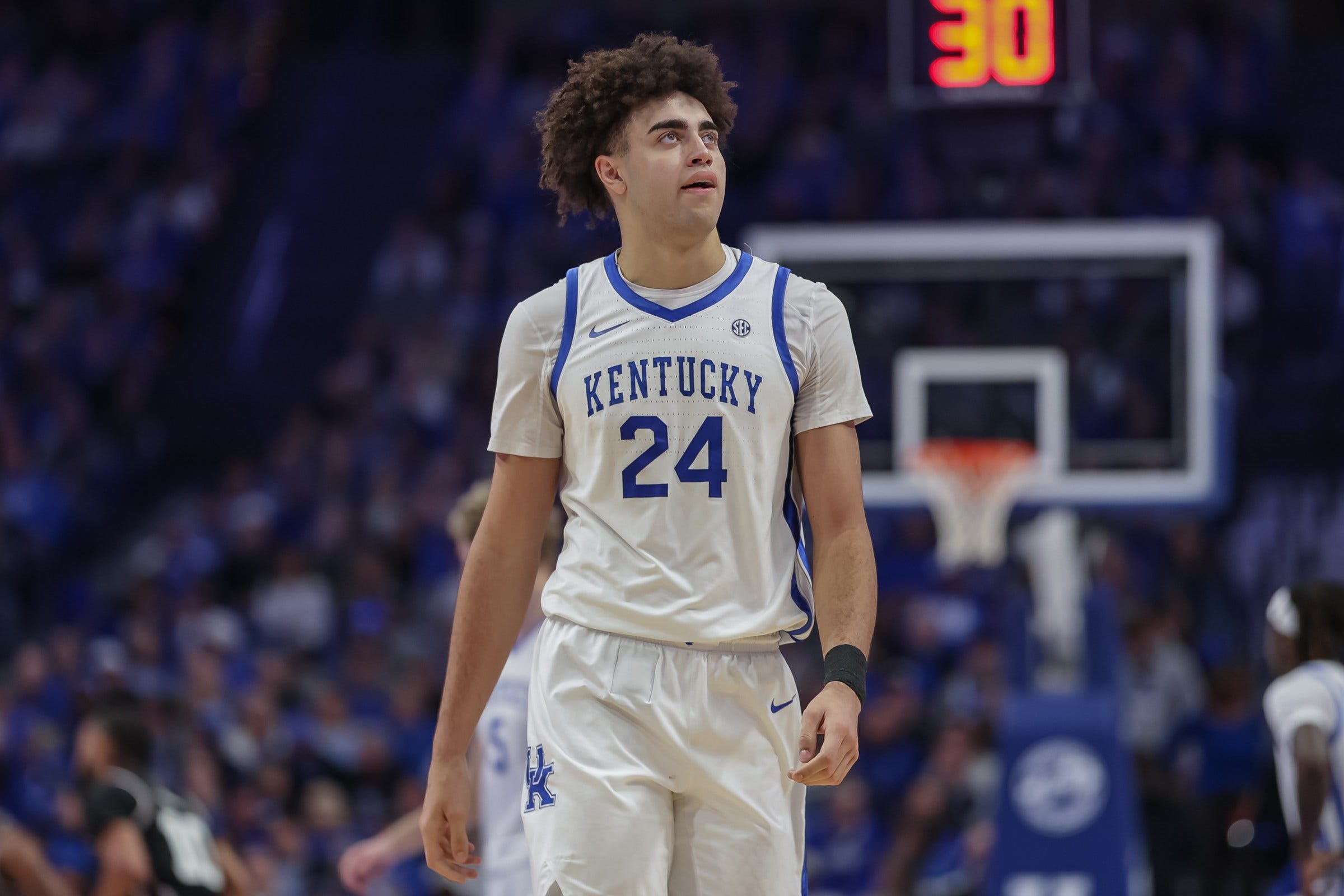
School: Kentucky
Class: Freshman
Position: Center
Height: 6’11
Weight: 242.8 LBS
Wingspan: 7’1 1/2
Draft Day Age: 19.7
The Celtics clearly need big depth, but probably are not in a position to get a day-one starting center at the back end of the first round, especially after the center class thinned out with players such as Patrick Ngongba and Flory Budinga returning to school.
Moreno struggled with his touch finishing around the rim, but showed flashes of excellent positional passing, shot-blocking, and rebounding while maintaining great effiency.
28. Minnesota Timberwolves - Tyler Tanner
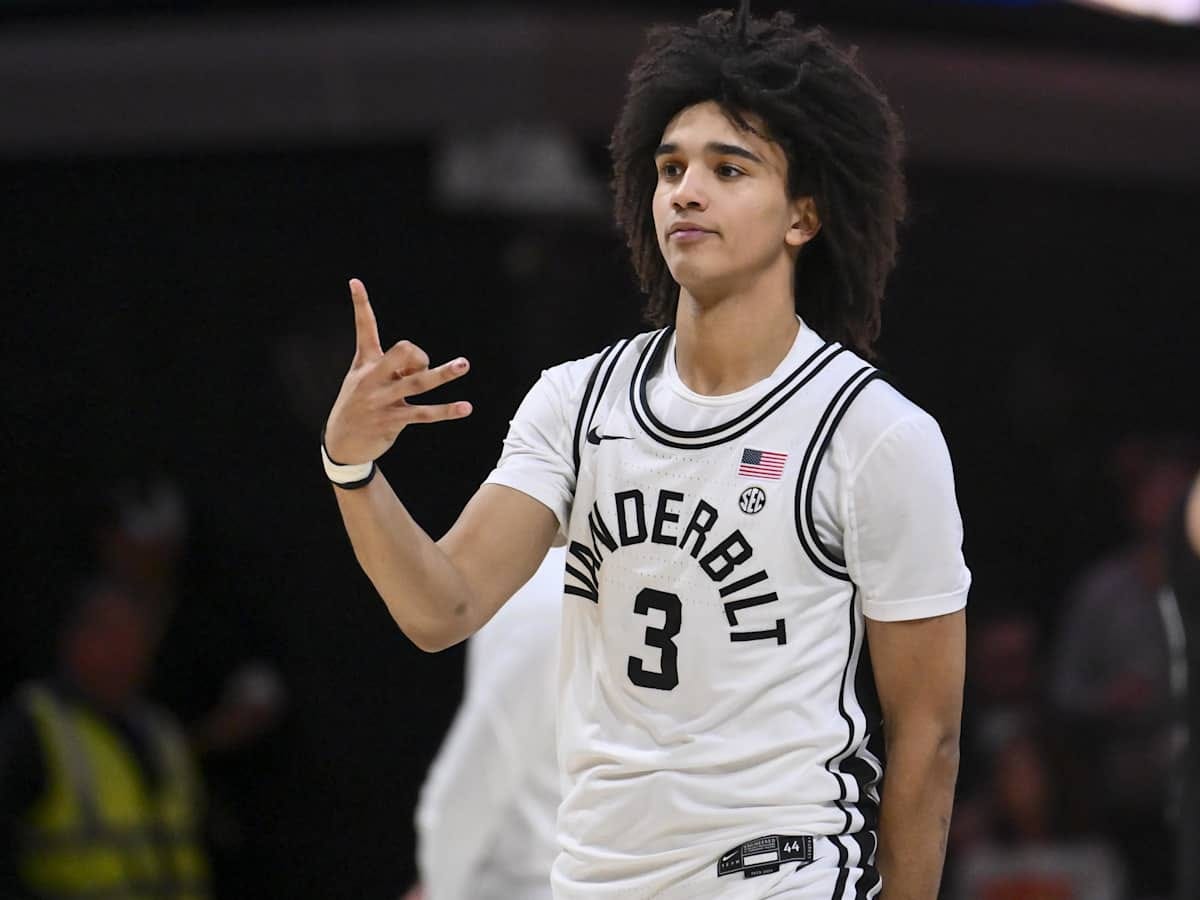
School: Vanderbilt
Class: Sophomore
Position: Guard
Height: 5’10.75
Weight: 166.8 LBS
Wingspan: 6’4.25
Draft Day Age: 20.4
The Timberwolves clearly need another ball handler next to Anthony Edwards. Mike Conley is aging, and the Rob Dillingham experiment failed miserably. One would think that failure would dissuade them from selecting a smaller guard, but Tyler Tanner is an outlier guard for his size in every way imaginable.
He is a great athlete with high feel on both sides of the ball and holds his own defensively despite his size. Tanner needs to increase his three-point volume and consistency, and develop his non-rim counters, but outside of that, this is as good as an under-6-feet guard gets.

29. Cleveland Cavaliers - Henri Veesaar
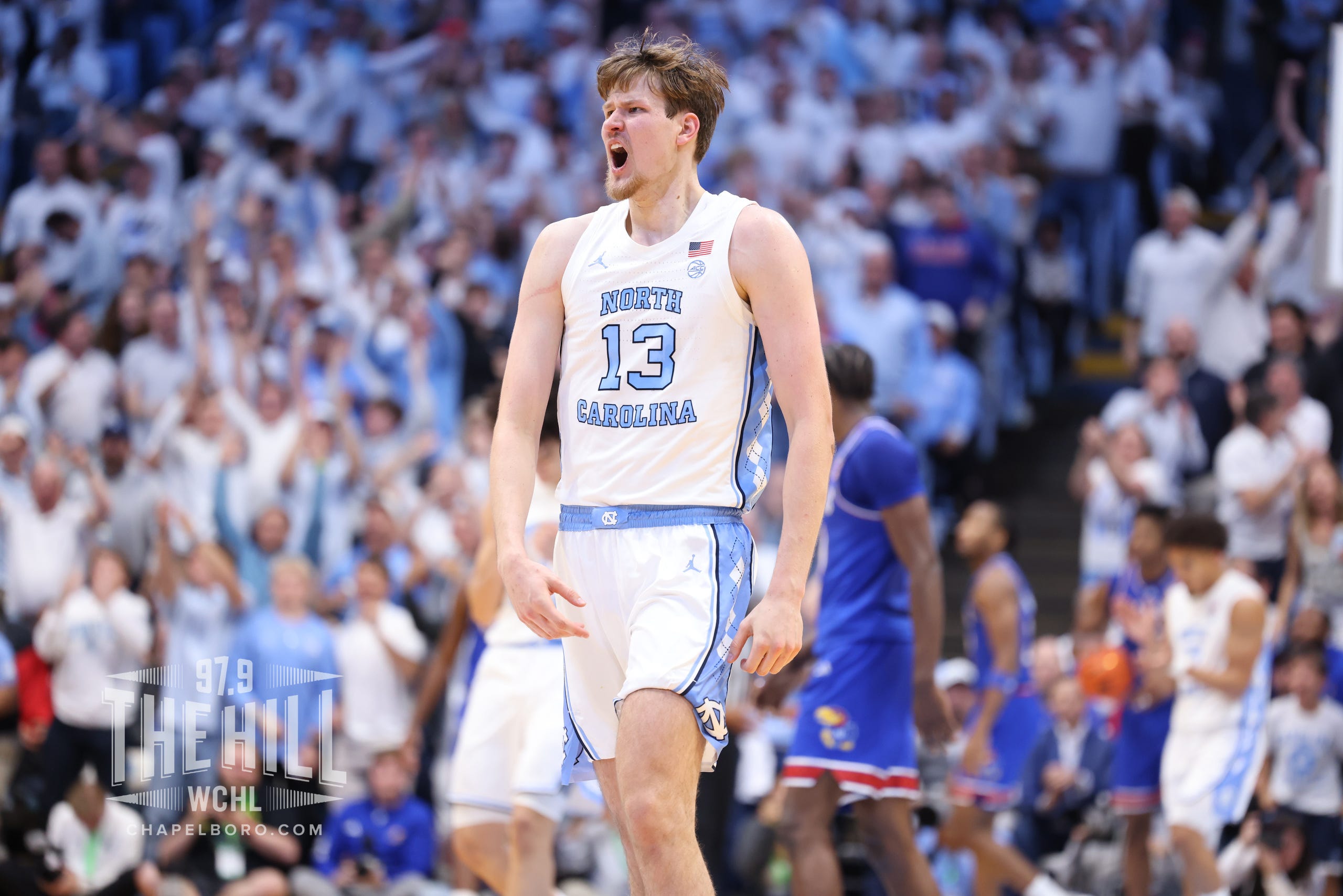
School: North Carolina
Class: Junior
Position: F/C
Height: 6’11
Weight: 227.2 LBS
Wingspan: 7’2
Draft Day Age: 22.2
The Cavaliers could clearly use additional frontcourt help, whether that comes in the form of a legitimate third big or another versatile wing, and Henri Veesaar helps address some of that need. He brings shooting, rebounding, passing, and efficient interior scoring, giving Cleveland a skilled offensive frontcourt option who can complement their existing bigs. Rim protection remains a concern, and his defensive limitations may cap some of his upside, but the offensive versatility makes him an intriguing fit this late in the first round.
30. Dallas Mavericks -Bruce Thornton
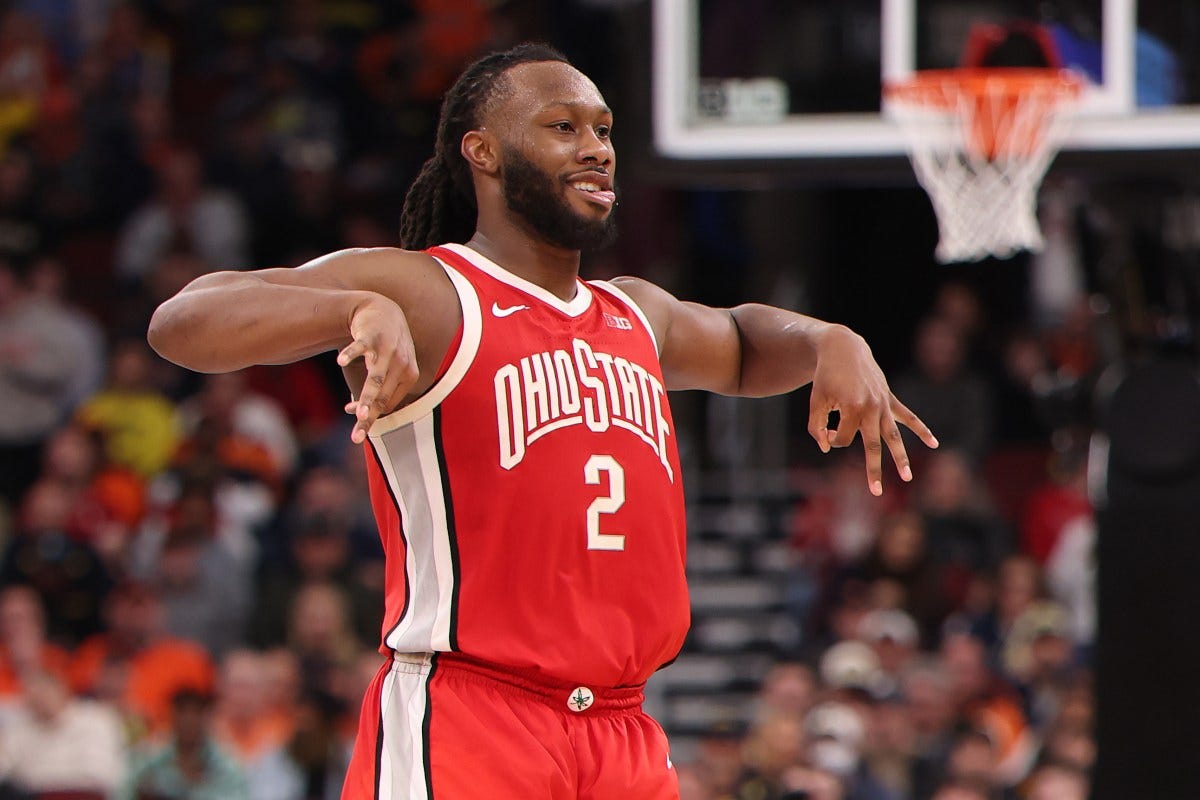
School: Ohio State
Class: Senior
Position: Guard
Height: 6’0
Weight: 223 LBS
Wingspan: 6’5
Draft Day Age: 22.9
Despite being an older prospect, Bruce Thornton has shown consistent year-over-year growth. He has put together multiple seasons handling high-usage offensive roles without turning the ball over at alarming rates. He was one of the biggest winners in the combine measurements, checking in at 220 pounds with a +5 wingspan, which helped ease some of the physical concerns evaluators may have had.
There are still athletic questions, particularly his ability to consistently reach the rim against NBA players. Still, he dramatically improved as a two-point scorer over his final two seasons, which helps alleviate some of that concern. He’s also one of the better bets in this class to become a reliable bench creator thanks to his shooting, strength, and decision-making. For a Mavericks team that could use more shot creation and perimeter shooting in just about any form, this makes plenty of sense.
Explain the thought process with Caleb Wilson above Darren Peterson if darryn is the much more disciplined and consistent defender/ self creator who isn’t a black hole passing wise and can make a simple read when available. Consequently, I don’t think dybantsas mechanics are bad. He shoots a bit of a line drive and has a hitch, but it’s not broken and you don’t need to tear it apart, and his mid range shotmaking is excellent. Off the dribble from 3 seems more suitable for him than the catch, but he shot 34%? I think. Even in the EYBL he shot 35%. His passing trended up throughout the year, even if he had some instances of foul hunting and tunnel vision. He can now blend his dribble, pass with either hand, and throw lobs to his counterparts, even if his ball security could be better. His size allows him to see over traps and hit the roller, and BYU trusted him to do so. Has got good touch and ball fakes. Also, Wilson positionally is a question for me. If he can’t shoot well enough or handle, can’t play on the wing. If his layup converting dosent tick up and his defense stays the same roller coaster way, not sure if he can play inside.
https://franobasketballnotebook.substack.com/p/was-dennis-rodman-actually-built?utm_source=share&utm_medium=android&r=7x6lg0