

After six years of incompetence, complacency, and a love-hate relationship with play-in games, the sun finally shone in the Windy City when it was announced on April 6th that the Chicago Bulls were firing former President of Basketball Operations, Arturas Karnisovas, and General Manager, Marc Eversley.
Fans rejoiced as the team entered a clear rebuilding phase for the first time in years — now they just needed to know who’d be leading them into the future.
That question was answered a month later when the Bulls announced that they’d hired 39-year-old Bryson Graham as Executive Vice President.
Graham has been a part of NBA organizations for over 15 years, transitioning from an intern with the New Orleans Pelicans to becoming the team's eventual General Manager. He spent last season as the Senior Vice President of Basketball Operations for the Atlanta Hawks.
Graham comes to Chicago with years of experience in player development and scouting. During his introductory press conference, he introduced his draft and teambuilding philosophy focused on size, length, athleticism, and physicality, or SLAP for short.
Four days later, the Dark clouds that had loomed over the organization continued to dissolve.
When the lottery balls bounced for their final time, the Bulls were rewarded with the fourth pick, jumping five spots to give the team their highest pick since Patrick Williams.
How ironic for the fourth pick to end the last rebuild and to begin the next one.
Now that we know what picks Chicago will have, fans have spent the last week debating which prospects the Bulls should take and how they fit Graham’s philosophy.
With that in mind, I had the bright idea of creating a metric to try to measure each prospect’s SLAP relative to their position. This project was my most ambitious yet.
Methodology
To bring Graham’s SLAP philosophy to life, I built a composite metric that aims to measure how well each prospect fits the physical profile he described: size, length, athleticism, and physicality.
Pillars
Size: Average of a player’s height z-score and weight z-score.
Length: Average of a player’s wingspan z-score and standing reach z-score.
Athleticism: Average of a player’s dunks per 100 possessions z-score and block percentage z-score.
Physicality: Average of total rebound percentage z-score and fouls drawn per 40 z-score.
Final SLAP Score =Average of the four:
SLAP = (S + L + A + P) ÷ 4
All z-scores are calculated relative to their position group in order to make the metric position-adjusted rather than a single universal scale.
SLAP Percentile indicates where a prospect ranks within the dataset. Position Percentile shows where a prospect ranks only against players at his own position.
This metric measures how functional their tools were during gameplay, not while running or jumping around in an empty gym.
Limitations / Caveats
This isn’t a perfect measurement of athleticism, and it is far from it. Athleticism can be measured in about a hundred different ways, depending on what you value. I chose dunks per 100 possessions and block percentage because they capture explosiveness and vertical athleticism, but they don’t account for lateral quickness, acceleration, deceleration, flexibility, coordination, etc.
Physicality might be the hardest trait to quantify in Graham’s SLAP framework. We don’t have great, publicly available metrics to measure Strength, toughness, motor, screen setting, fighting through screens, and finishing through contact. I used foul drawing and rebounding as proxies, but they still have their flaws.
Position labels matter. A lot. Since this study calculates z-scores relative to positional peers, a player's categorization can dramatically change the outcome.
Keaton Wagler is the biggest example of this. He is the biggest listed point guard in the class, rebounds well, and draws fouls, but if he were listed as a shooting guard, his measurables would not be nearly as impressive; he would fall down the rankings.
I used the position label NBA.com uses for prospects, for uniformity and consistency, but many of them, like Yaxel Lendeborg, will play multiple positions in the league. If listed as a small forward, the position he played second most this season, he ranks #1 in the entire class.
Additionally, SLAP isn’t independent of team context. For example, Lendeborg played more four while at UAB and wasn’t playing next to two of the most physically imposing players in the country, which, along with a bump in competition, likely hurt some of his rebounding and dunk numbers.
This is not a historical study. Right now, this stat only compares prospects against this class. So when someone lands in the 95th percentile, that means they’re in the 95th percentile of this specific group, not every draft class we’ve ever seen.
The smaller pool leaves some room for outliers. The long-term goal is to expand this historically so that we can compare this year’s prospects with those of previous classes.
The weighting is subjective because, well, I made it up. Graham said he values size, length, athleticism, and physicality, so I weighted each pillar equally. Maybe that’s accurate. Maybe he values length twice as much as physicality. Maybe athleticism is the real separator. Maybe I can interview Graham one day and ask him.
Draft Board
The Bulls are bereft of talent and in no position to draft for fit, so I’ll aim to target the best player available at every spot, with the SLAP philosophy and their core of Josh Giddey (right now), Matas Buzelis, Noa Essengue, Leonard Miller, and Jalen Smith in the back of my mind.
At every pick, I will try to focus on players I believe will be available within the range of the pick, based on publicly available, intel-based mock drafts.
Pick 4
1. Cameron Boozer
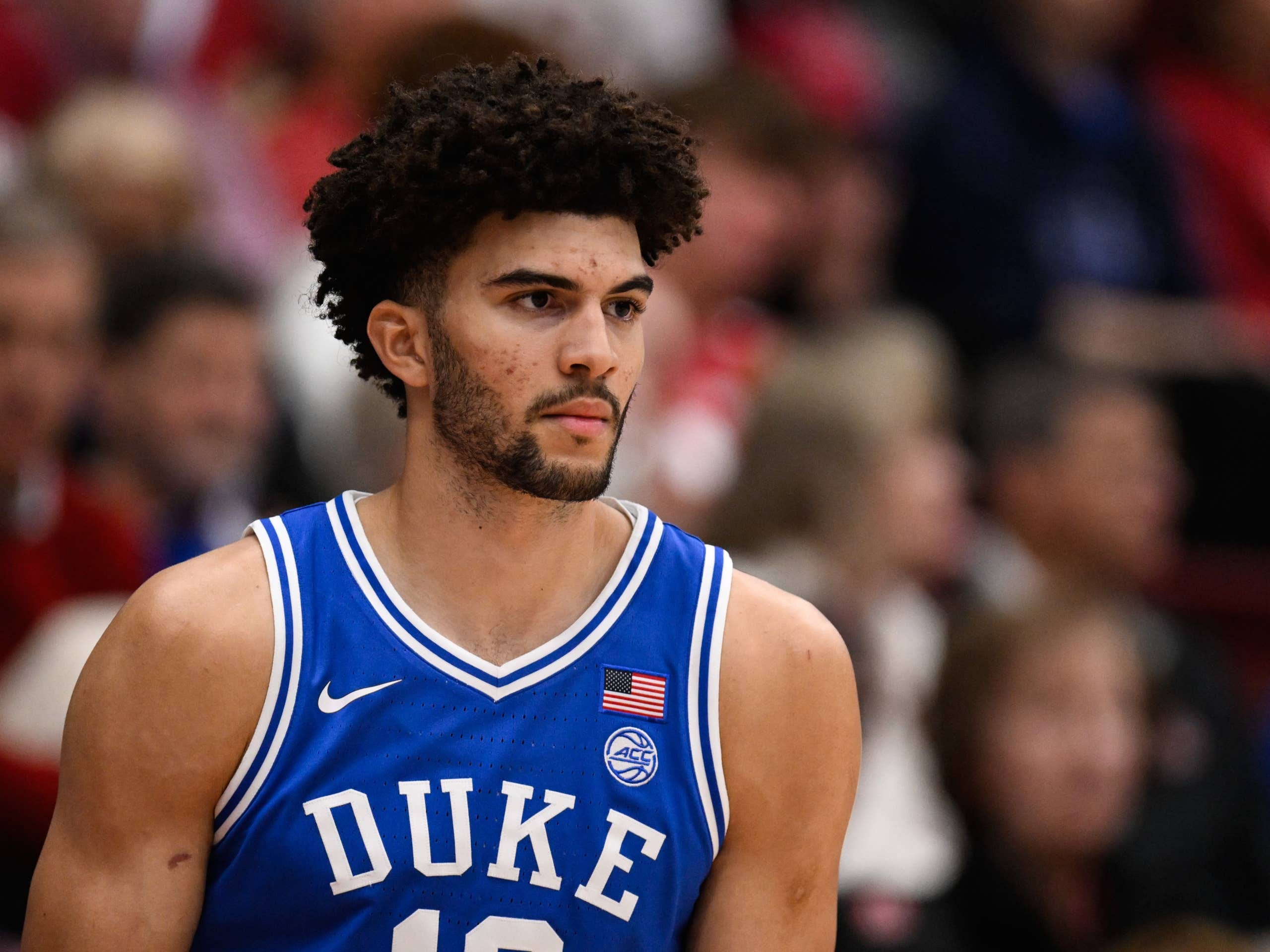
School: Duke
Class: Freshman
Position: Power Forward
Height: 6’8.25
Weight: 252.8 LBS
Wingspan: 7’1.5
Drat Day Age: 18.9
SLAP Percentile: 82
If the Grizzlies, who are widely known for their love of analytical models, decide to pass on Boozer at three, the Bulls should sprint to the podium and draft the best player in the class. Boozer pairs his size, length, functional athleticism, and physicality with a superb feel for the game and outside shooting.
He’s shown versatility across different playtypes, effectiveness in different roles, and has historically had the highest impact on winning of any player in the class.
His handle, middle of the floor counters, and burst are concerns for his offense, while his hip mobility and vertical explosions are concerns defensively, but how poetic would it be to have a Boozer back in Chicago?

2. Caleb Wilson
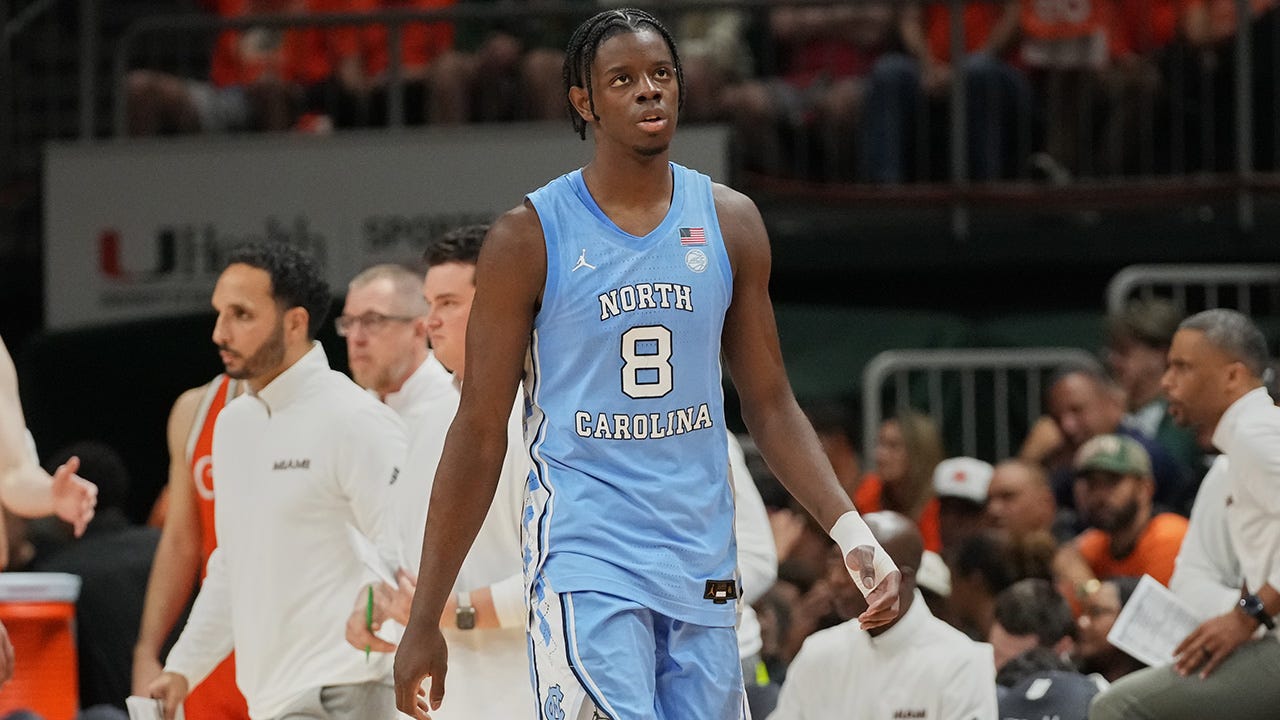
School: North Carolina
Class: Freshman
Position: Power Forward
Height: 6’9.25
Weight: 210.8 LBS
Wingspan: 7’0.25
Draft Day Age: 19.9
SLAP Percentile: 88
Wilson to Chicago is one of the most likely picks in the entire class, and he is the epitome of what Graham describes in his SLAP philosophy. He is arguably the best athlete in the class, with good length, and he plays with tenacious energy. Wilson was one of the most productive freshmen in the country this season and impressed me with his ability to handle high usage and maintain elite effiency.
Currently, Wilson is a tweener who functions as a five on offense and a four defensively, which could lead to lineup constraints down the road, but the Bulls don’t have the luxury to worry about that, and Wilson’s age-adjusted production, role malleability, and two-way potential are too good to bet against.
Pairing Wilson with Buzelis would make for one of the better combinations of nail defense and weakside rim protection in the league.
Pick 15
1. Ebuka Okorie
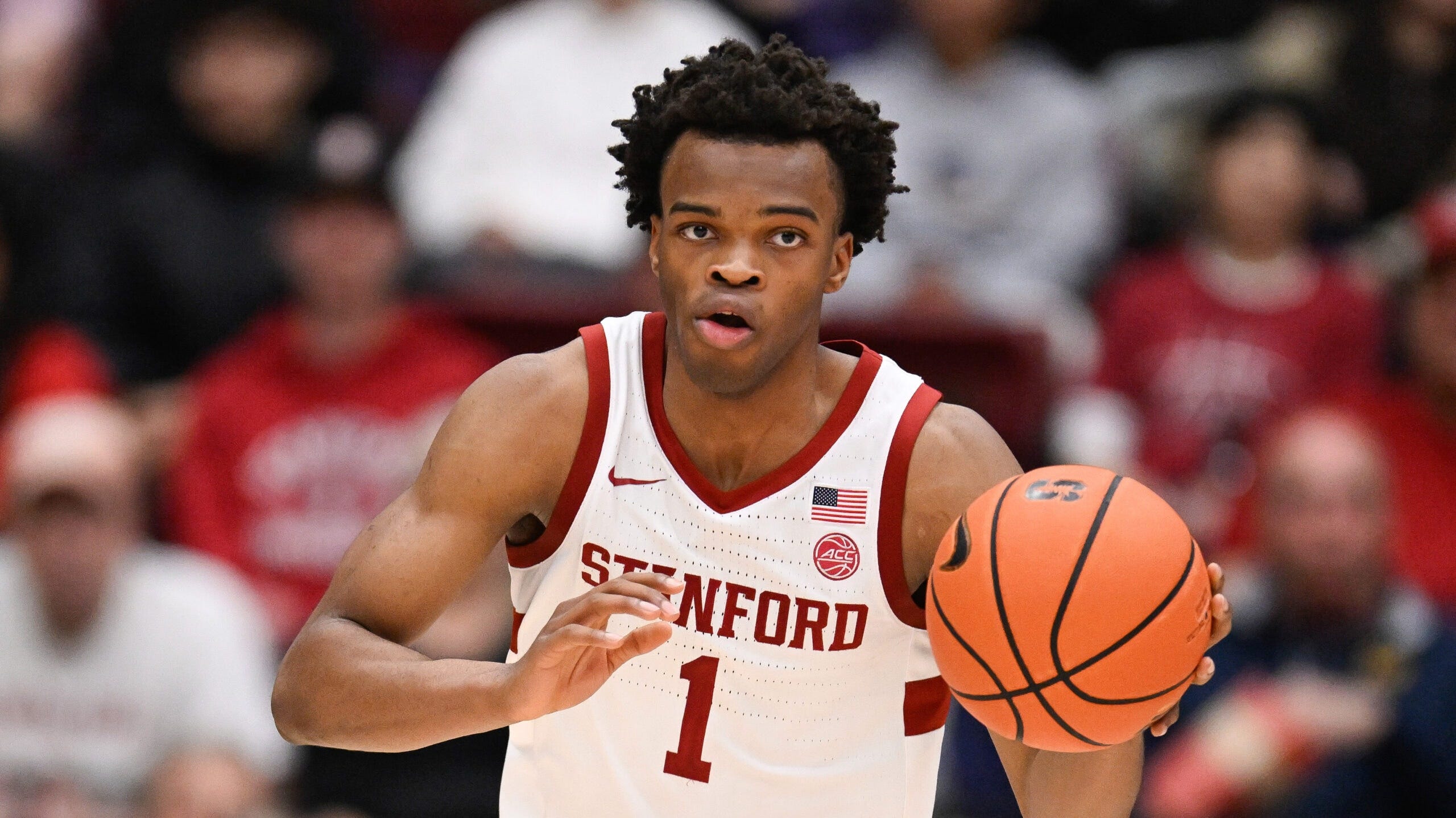
School: Stanford
Class: Freshman
Position: Point Guard
Height: 6’1.25
Weight: 186 LBS
Wingspan: 6’7.75
Draft Day Age: 19.2
SLAP Percentile: 81
Some will be surprised to see Okorie take my top spot at 15, but he’s worth the selection. Okorie has the best combination of speed, athleticism, handle, and counters of any guard in the draft, and it has largely gone overlooked.
He handled extremely high usage in a poor context without turning the ball over, and he remained efficient and impactful for Stanford’s offense. His passing/assist numbers have been underwhelming for his usage, and he needs to improve his ability to make advanced reads, but he’s not a poor passer by any means.
With a guard of his size, defensive viability will always be a concern, but he surprised at the combine with a near 6’8 wingspan and gives effort at the point of attack. The fit next to Josh Giddey could raise some short-term questions on both ends, but the Bulls desperately need his creation juice.

2. Jayden Quaintance
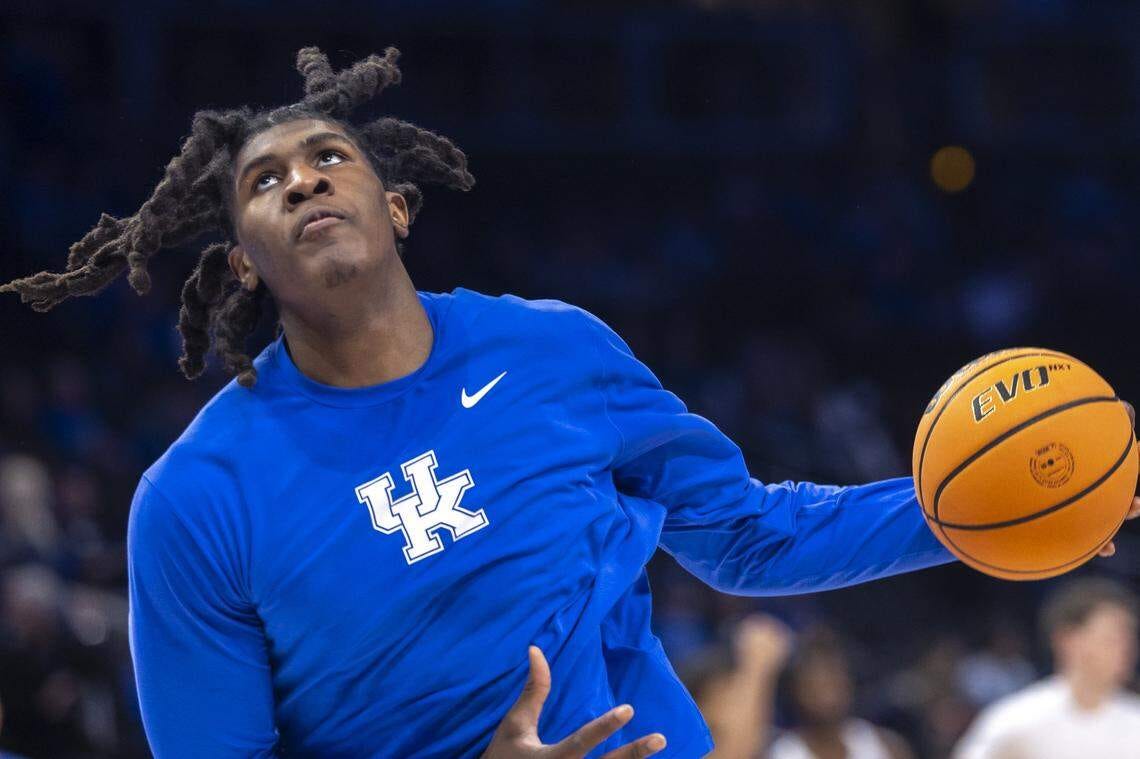
School: Kentucky
Class: Sophomore
Position: Center
Height: 6’9
Weight: 253.4
Wingspan: 7’5.25
Draft Day Age: 18.9
SLAP Percentile: 64
Quaintance was out for most of the season recovering from an ACL injury that he suffered in February of 2025.
His injury, temporary return, and a loud contingent of disgruntled Kentucky fans have overshadowed the fact that he was one of the best defenders in the country as a 17-year-old freshman in a power conference. His combination of strength, length, athleticism, and motor makes him arguably the best defender in the class, and that alone would make this a potential homerun selection at 15.
He’s quite rough around the edges offensively, as he needs to improve his touch and decision-making, but playing with higher-quality playmakers (even relatively) in a smaller role should maximize his effiency on play-finishing playtypes.

3. Morez Johnson
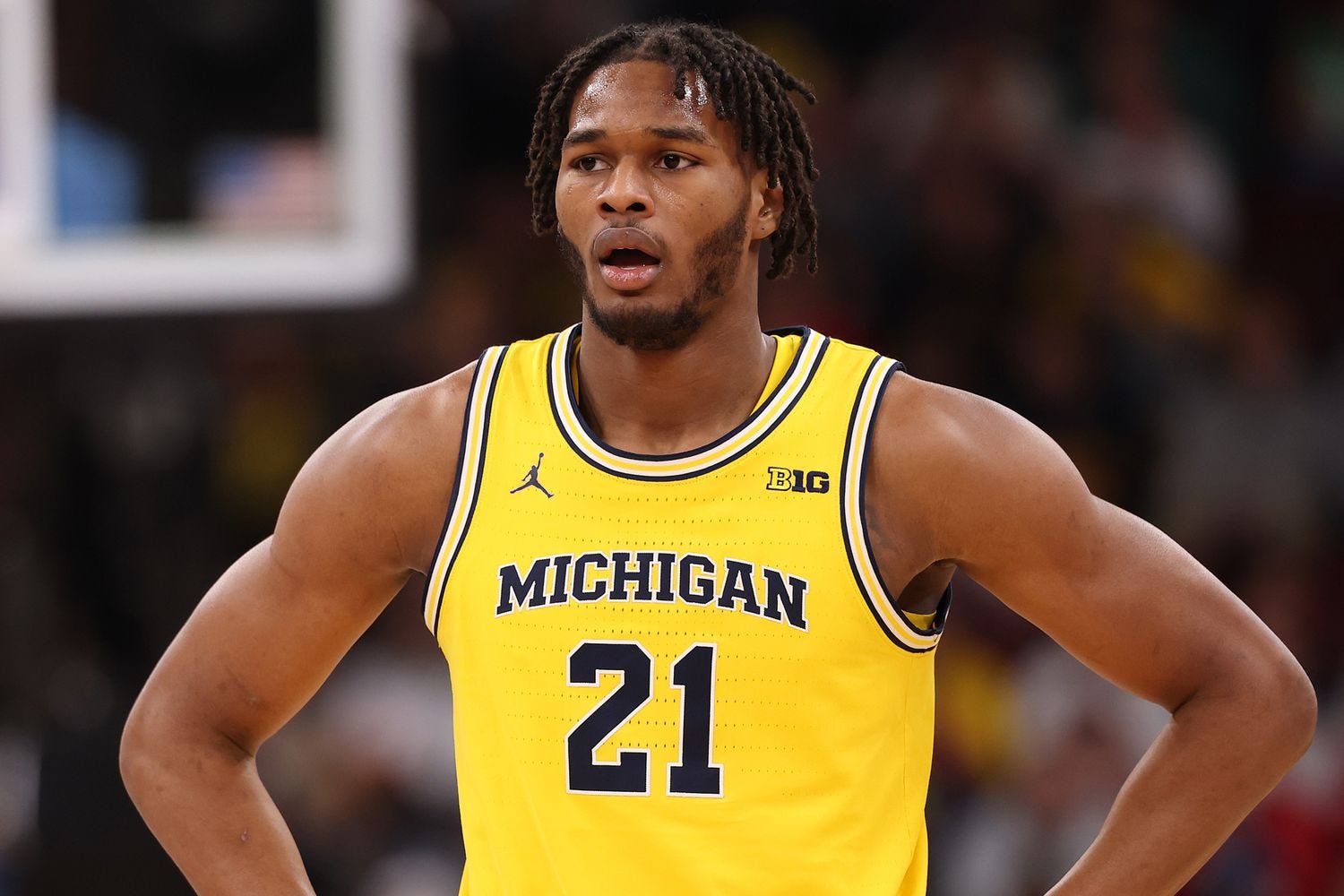
School: Michigan
Class: Sophomore
Position: Power Forward / Center
Height: 6’9
Weight: 250.6 LBS
Wingspan: 7’3.5
Draft Day Age: 20.4
SLAP Percentile: 93
Johnson is a tenacious defender with a relentless motor who can guard up and down the lineup. He’s what I call a positive tweener. A player that can add value at both the four and the five and not hurt lineup construction.
His ability to play-finish, run in transition, offensive rebound, protect the rim, and potentially space the floor is exactly the type of skill set the Bulls need.
4. Cameron Carr
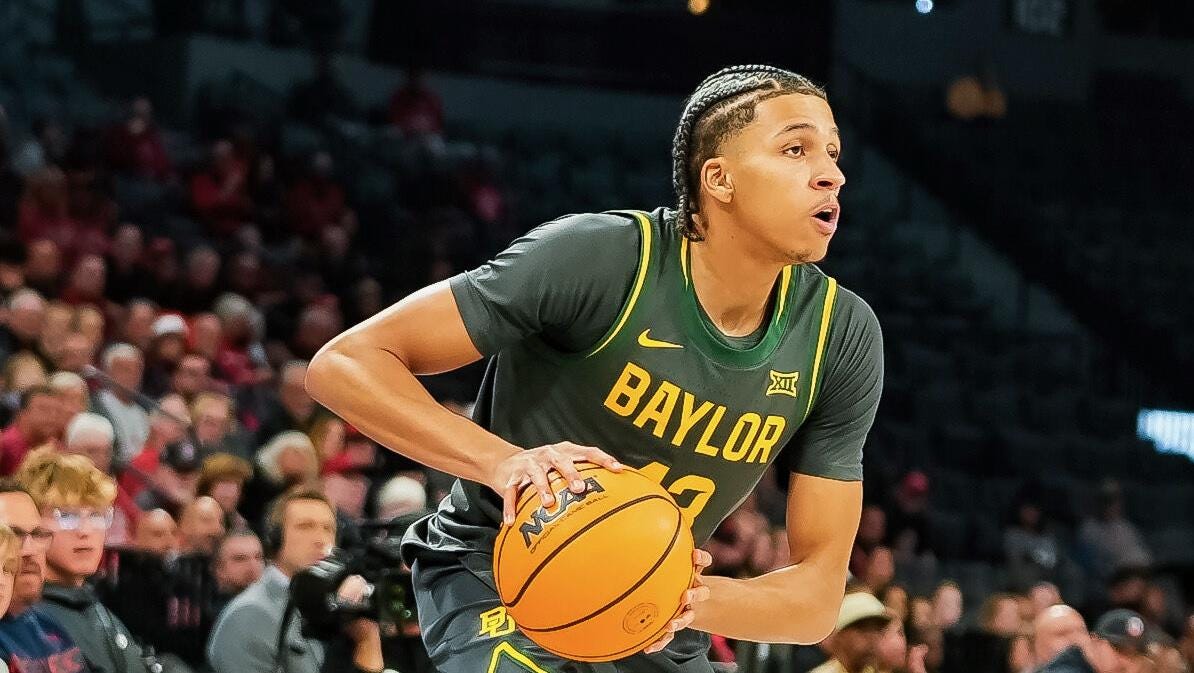
School: Baylor
Class: Junior
Position: Shooting Guard
Height: 6’4.75
Weight: 184.4 LBS
Wingspan: 7’0.75
Draft Day Age: 21.7
SLAP Percentile: 96
If the Bulls selected Carr here, they’d add much-needed shooting, athleticism, and play-finishing. Carr was the only high-major player in the country with 50 threes, 40 dunks, and a 3-block percentage or higher.
However, there is some risk here. Carr didn’t break out until he was 20 years old, is fairly light for his size, is heavily assisted, is not a good passer, and struggled to finish from 2 against tougher competition, but he was overtasked. In a scaled-down role, his shooting, cutting, closeout attacking, and weakside rim protection should provide value.

5. Dailyn Swain
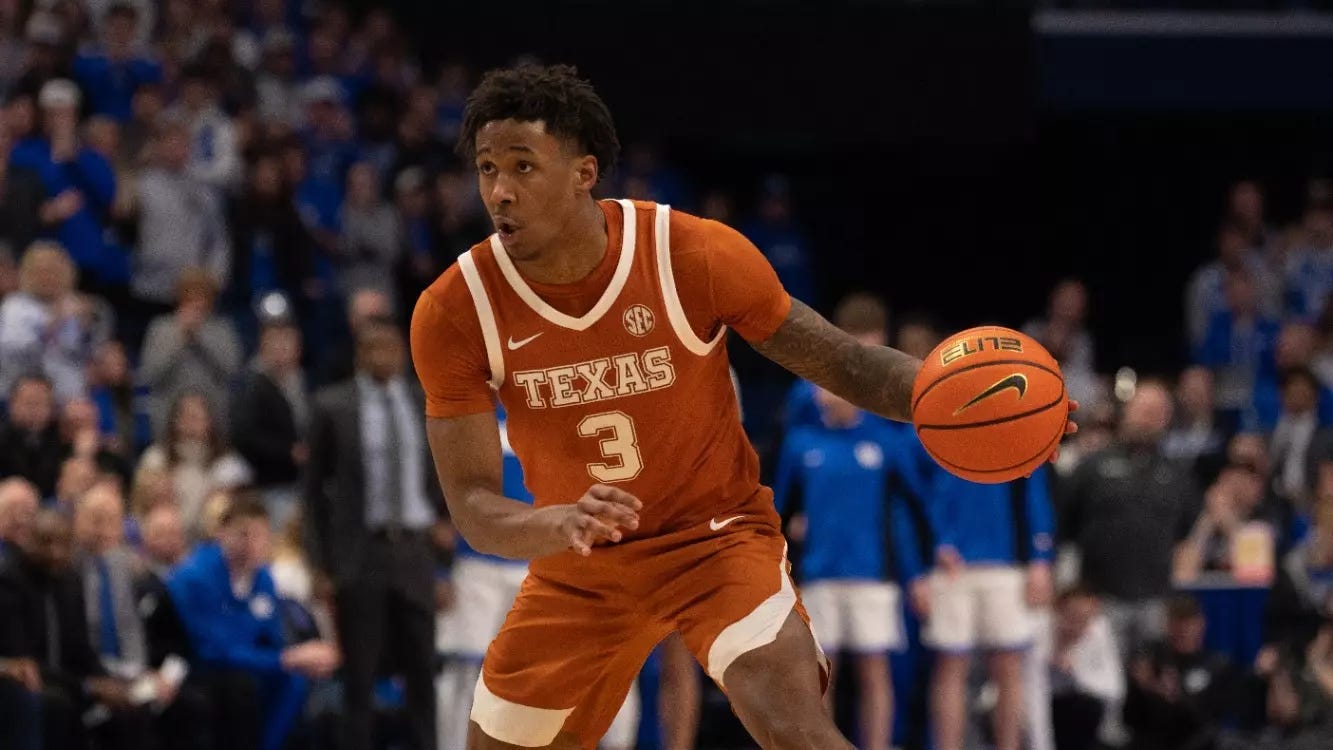
School: Texas
Class: Junior
Position: Wing
Height: 6’6.5
Weight: 211.2
Wingspan: 6’10
Draft Day Age: 20.11
SLAP Percentile: 67
Swain has shown the ability to scale up and down throughout his collegiate career. His measurables, especially his weight and wingspan, were underwhelming — relative to what we thought they could be — but the application of his tools matters the most.
He has jumpshot concerns, and his turnovers spiked when he handled higher usage in conference play this season, but in a scaled-down role, his slashing, passing, and defense would be extremely useful for Chicago.
Pick 38
1. Malachi Moreno
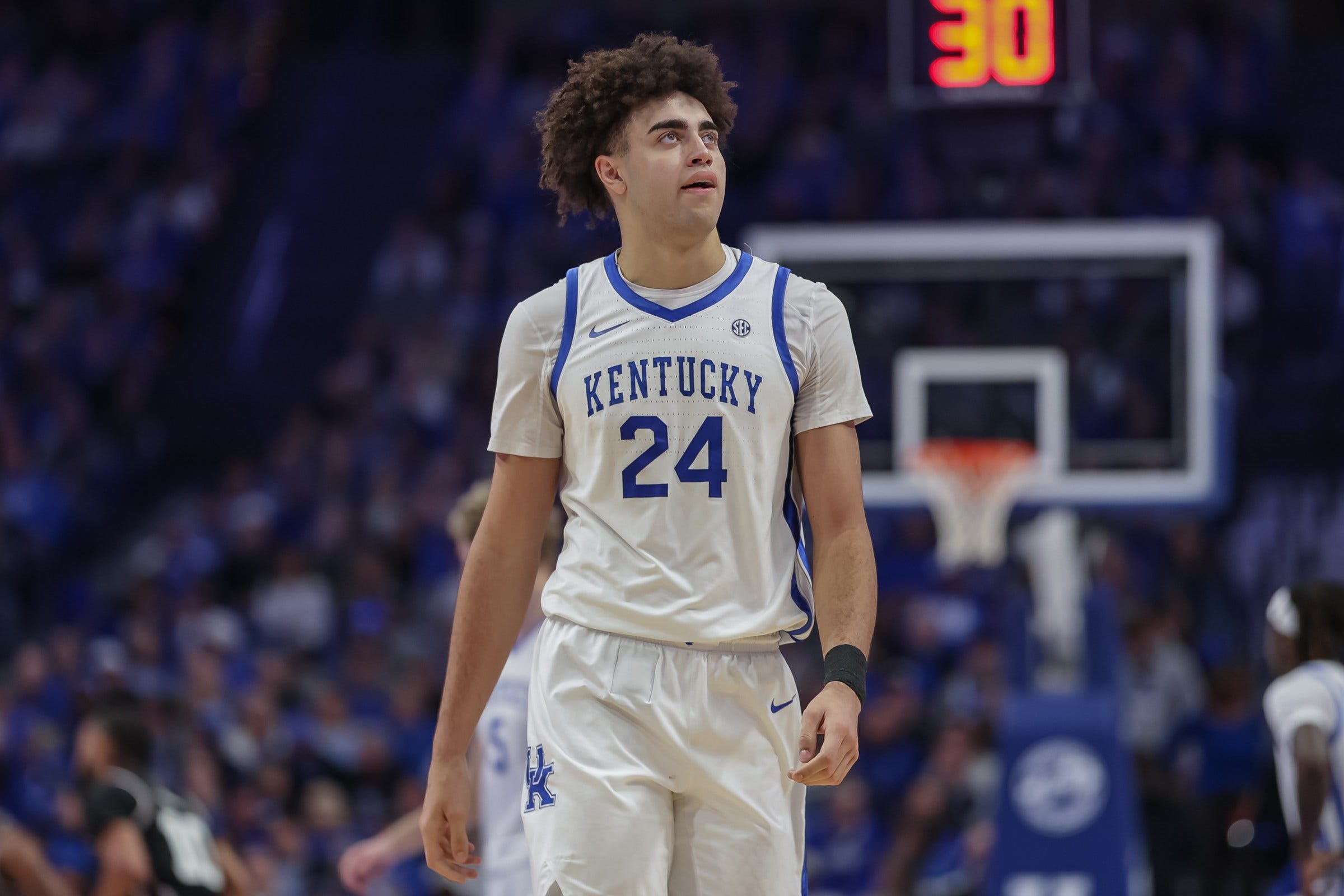
School: Kentucky
Class: Freshman
Position: Center
Height: 6’11
Weight: 242.8 LBS
Wingspan: 7’1 1/2
Draft Day Age: 19.7
SLAP Percentile: 51
I was surprised to see Moreno declare for the draft this season, and there is even a chance he ends up as a late first-rounder. If he is on the board for the Bulls, he would be a good option for Chicago if they do not grab a center at 15.
Moreno was thrust into a weird situation this year, where he was supposed to be the third-string center but ended up playing 56.4 percent of Kentucky’s minutes. The freshman took his opportunity and ran with it, showcasing his ability to offensive rebound, block shots, and facilitate in the Wildcats offense.
He struggled to finish at the rim and needs to keep getting stronger, but he is an intriguing long-term play for a team desperate for talent.
2. Bruce Thornton
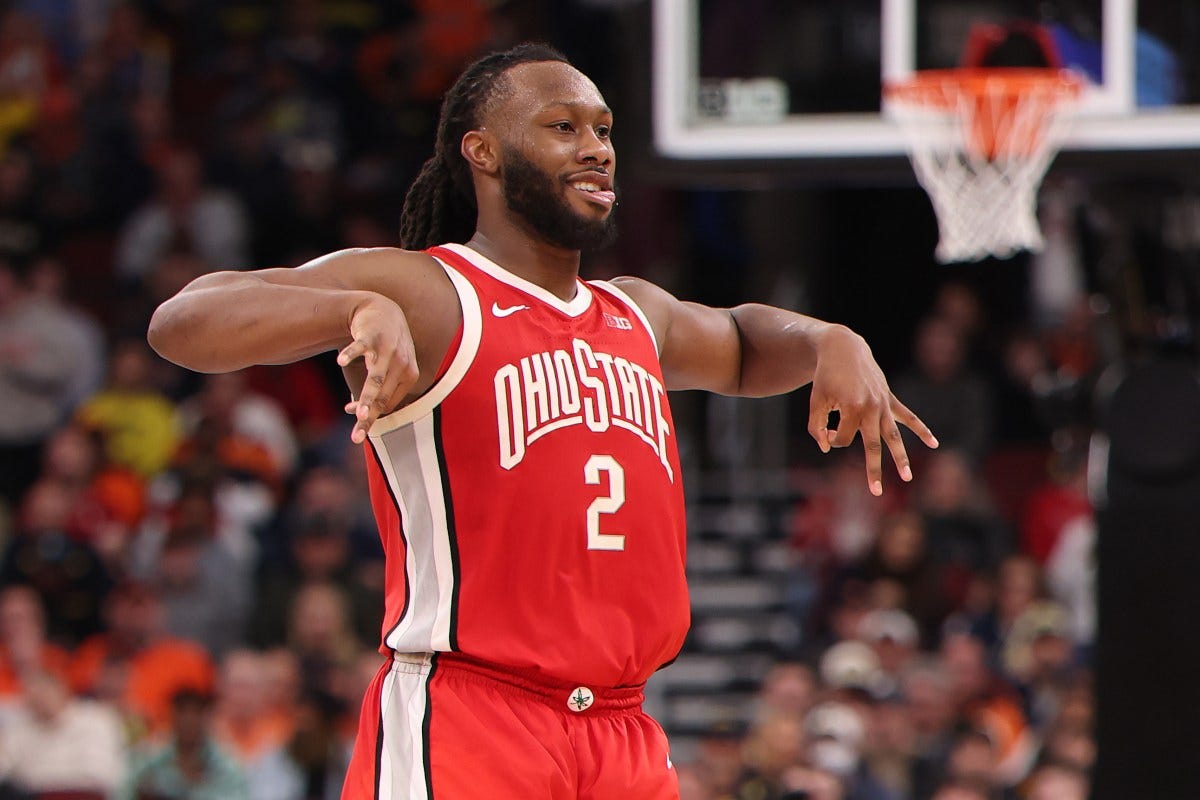
School: Ohio State
Class: Senior
Position: Point Guard
Height: 6’0
Weight: 223 LBS
Wingspan: 6’5
Draft Day Age: 22.9
SLAP Percentile: 68
Despite being an older prospect, Bruce Thornton has shown consistent year-over-year growth. He has put together multiple seasons in high-usage offensive roles without turning the ball over at an alarming rate. He was one of the biggest winners in the combine measurements, checking in at 220 pounds with a +5 wingspan, which helped ease some of the physical concerns evaluators may have had.
There are still athletic questions, particularly his ability to consistently get to the rim, but he dramatically improved as a two-point scorer over his final two seasons, which helps alleviate some of that concern.
He’s also one of the better bets in this class to become a reliable bench creator thanks to his shooting, strength, and decision-making. For a team that could use more shot creation and perimeter shooting in just about any form, this makes plenty of sense.
3. Trevon Brazille
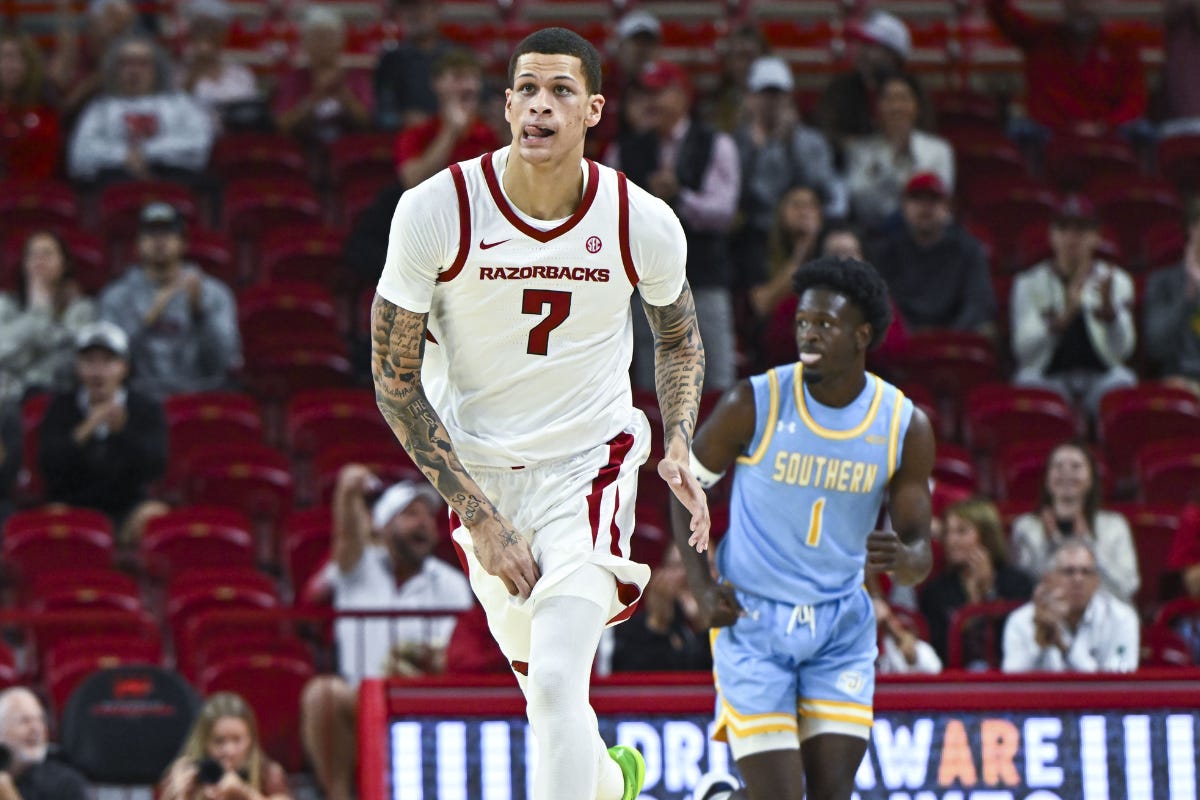
School: Arkansas
Class: Senior
Position: Power Forward
Height: 6’9.5
Weight: 225.6 LBS
Wingspan: 7’3.75
Draft Day Age: 23.5
SLAP Percentile: 79
Because of injuries and a different role, it took five years for the player that many has a first-round pick in 2023 to come to fully realize, but Brzile’s production this season warrants a look at 38.
At the fourth, he provides athleticism, rim finishing, versatile defense, outside shooting, and the ability to attack a closeout and drive to the rim.
Pick 56
1. Richie Saunders
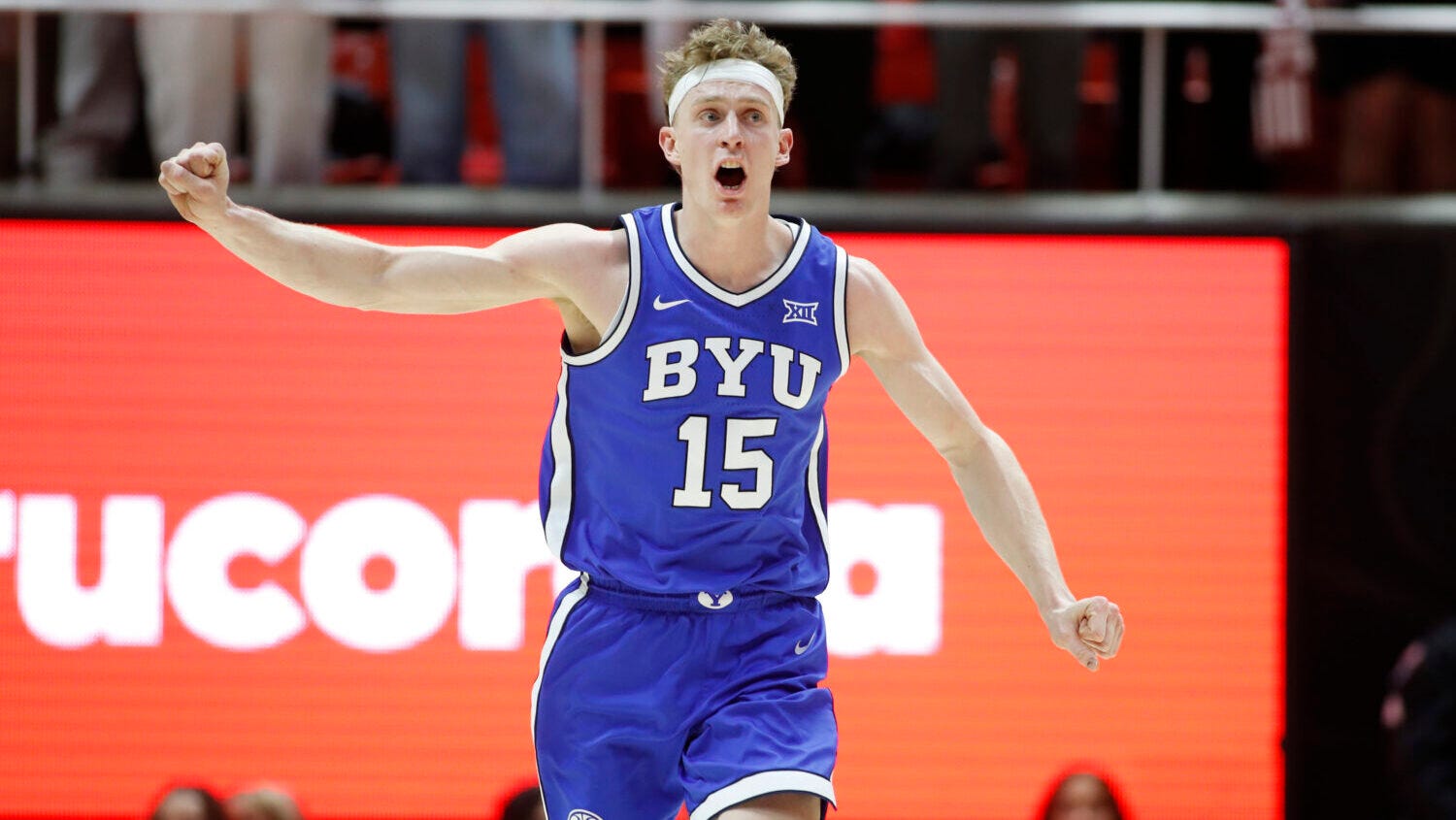
School: BYU
Class: Senior
Position: Wing
Height: 6’5
Weight: 208 LBS
Wingspan: 6’8.75
Draft Day Age: 24.9
SLAP Percentile: 74
Saunders is an older prospect who suffered a major injury this season. Those two facts will likely hurt his stock a great deal, but the player on the court deserves a pick much higher than 56.
Saunders is a tough, hard-nosed wing who is a much better and willing defender than given credit for. He’s also an excellent shooter and a good rebounder for his position.
His injury virtually ended BYU’s season, and though it came in unfortunate circumstances, his time away from the court proved how valuable he was to the team.
2. Rueben Chineylu
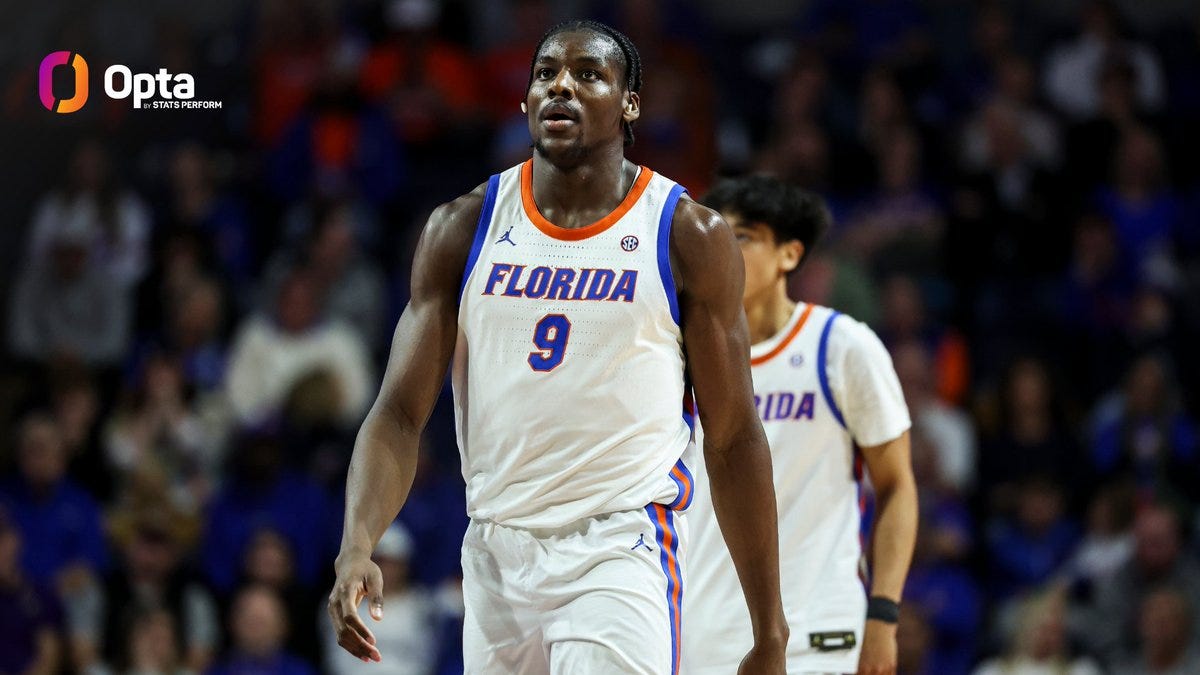
School: Florida
Class: Junior
Position: Center
Height: 6’9.25
Weight: 259.4 LBS
Wingspan: 7’7.50
Draft Day Age: 22.8
SLAP Percentile: 78
Chineylu is an older junior, but he didn’t begin playing basketball until he was a teenager. In the years since, he’s grown tremendously and refined his game. The player he is today is one of the best rim protectors and defenders in the class, whose freakish measurements were somewhat overlooked during the combine.
This past season, Chinyelu swept every major defensive player of the year award and provided a clear baseline of rebounding, play-finishing, and rim protecting. Theres a chance the Bulls would be more inclined to draft him at 38 than 56.
3. Ugonna Onyenso
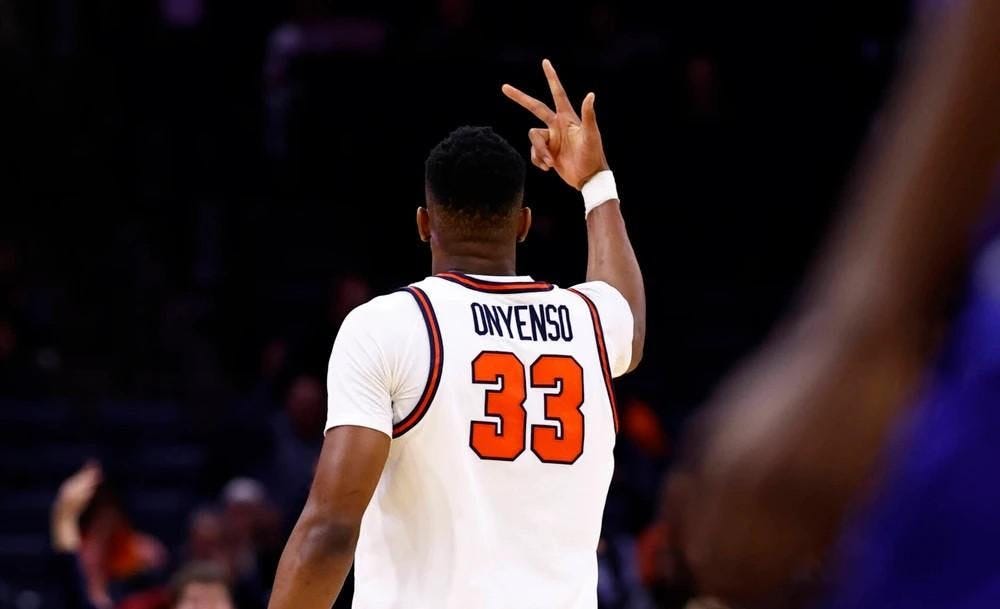
School: Virginia
Class: Senior
Position: Center
Height: 6’11
Weight: 236.8 LBS
Wingspan: 7’4.75
Draft Day Age: 21.8
SLAP Percentile: 66
Onyenso’s stifling of Boozer in the ACC tournament put his skill set on display in front of millions of eyes, but he was having a historic season before that dominant performance.
Onyenso finished the season with the second-highest block percentage of any high major player since 2008 and completely shut teams’ water off at the rim at times.
It took three schools and four years for Onyenso to maximize his impact, and he needs continued offensive development, but in a center class that became much weaker after players returned to school, Onyenso could return value at pick 38 or 56.
Confused on how the rankings are calculated, wouldn't Dybansta's total of 388 be higher than Mara's 340?